Home Remodels and Additions in Colorado Springs: How to Expand and Elevate Your Space
Introduction to Home Remodeling in Colorado Springs
This guide is for Colorado Springs homeowners considering home remodels and additions to improve their living space. With rising home prices and limited inventory, remodeling and adding onto your existing home can be a smart investment.
Home remodels and additions in Colorado Springs are an excellent way to enhance your living space and adapt your home to your family’s evolving needs. As the city continues to grow and the real estate market remains competitive, more homeowners are choosing to remodel and expand their existing homes rather than move. Whether you’re dreaming of a spacious new family room, a dedicated home office, or a creative accessory dwelling unit, a well-executed home remodel can significantly increase your home’s square footage and overall functionality.
Expanding your living space through home additions not only makes daily life more comfortable but also allows you to stay rooted in your favorite neighborhood. From bump outs and room additions to whole house renovations, there are many types of home additions that can help you create the extra space your family needs. In the following sections, we’ll explore the benefits of home remodeling in Colorado Springs and highlight the most popular ways to expand and elevate your space.
Key Takeaways
- Home remodels and additions can be more cost-effective and less disruptive than moving, especially in the greater Colorado Springs, CO market where inventory is tight and median home prices hover around $464,000.
- The most common types of remodels and additions locally include bathroom remodels, kitchen bump outs, basement finishes, and interior reconfigurations that maximize your existing house.
- Realistic 2024–2025 cost ranges for popular Colorado Springs projects vary widely: bathroom remodels from mid-$30,000s to $70,000+, basement finishes from $40,000 to $80,000+, and sunroom-style spaces starting around $40,000–$60,000.
- Working with a licensed, insured local contractor who understands Pikes Peak region codes, expansive soils, and freeze-thaw weather conditions is essential for project success.
- Elevated Tile and Remodeling offers design-forward, tile-driven remodels and additions that blend seamlessly with existing structure elements in high-end Colorado Springs homes.
What “Home Remodels and Additions” Really Mean in Colorado Springs
When Colorado Springs homeowners talk about improving their property, two terms come up constantly: home remodels and additions. While they’re often mentioned together, they represent distinctly different approaches to transforming your house. A home remodel focuses on changing or upgrading existing spaces within your home’s current footprint—think modernizing an outdated bathroom with new tile, updated plumbing fixtures, and improved lighting. An addition, on the other hand, means adding new square footage to your home, whether through a bump out, basement finish, or second story addition.
A conventional full-size house addition is a multi-room structure built onto the side of a house. A room addition or bump out is a single-room structure built onto the side of a house.
Understanding this distinction matters in Colorado Springs, where tight housing inventory and low market turnover make expanding in place far more practical than relocating. If you live in a 1990s–2010s era home in neighborhoods like Briargate, Northgate, Old Colorado City, or Downtown, you’ve likely discovered that moving would mean disrupting established community ties, school districts like Cheyenne Mountain High School, and access to Pikes Peak region amenities. The alternative? Transform your existing home into the space your family actually needs.
The smartest homeowners plan remodels and additions together. Updating finishes like tile, lighting, and layout while simultaneously improving how much usable living space the home offers creates a cohesive result rather than a patchwork of projects. This integrated approach ensures your new basement bathroom matches the quality of your upgraded primary suite, and that your kitchen bump out flows naturally into your reconfigured family room.
A well-planned home addition can significantly increase your home’s value and equity. Thoughtful planning is essential to maximize long-term financial benefits and potential resale gains.
Elevated Tile and Remodeling focuses on interior-first transformations—bathrooms, tile-centric spaces, and finish-quality details—then coordinates with trusted structural partners when a project involves adding onto the home. This approach ensures that whether you’re reconfiguring existing spaces or adding more room to your property, the finished product meets the same high standards throughout.
When a remodel makes sense:
- Adequate square footage but poor layout or outdated finishes
- Upgrading bathrooms or kitchens without structural changes
- Budget prioritizes quality finishes over additional bedrooms
When an addition makes sense:
- Household has outgrown home’s square footage by 20% or more
- Need additional living space for a growing family or aging parents
- Lot size and zoning laws permit expansion
Now that you understand the difference between remodels and additions, let’s explore the benefits of expanding your home.
Benefits of Home Additions
Adding onto your existing home offers a range of benefits that go far beyond simply gaining more space. Home additions can be a cost-effective alternative to moving to a new home. By choosing room additions, garage conversions, or even second story additions, you can create more living space tailored to your family’s lifestyle—whether that means an extra bedroom, a larger kitchen, or a new family room for everyone to gather.
Adding space to a home can improve its functionality and better suit the homeowner's lifestyle. Home additions can also boost your property value, making your home more attractive to future buyers. Projects like second story additions or thoughtfully designed room additions not only provide more space but also enhance your home’s curb appeal and functionality. For many Colorado Springs homeowners, the cost of an addition is offset by the ability to remain in a beloved neighborhood and avoid the stress of moving.
Now that we've explored the benefits, let's look at the most popular types of home additions and expansions available in Colorado Springs.
Top Types of Home Additions and Space Expansions
Colorado Springs homeowners most often add space by finishing existing areas, bumping out key rooms, or adding a new level when the lot is tight. Each approach offers different benefits depending on your goals, budget, and property constraints. The types of home additions that work best here often center around the unique challenges and opportunities of the Pikes Peak region.
Here’s an overview of the most popular room additions and expansion projects:
Basement Finishes and Conversions
- Finish an existing basement to gain 800–1,500+ square feet of living space
- Create guest suites, home theaters, playrooms, in-law suites, or multi-use family rooms
2024 cost ranges for Colorado Springs basement finishes:
| Project Level | Approximate Cost | What’s Included |
|---|---|---|
| Basic finish | $40,000–$60,000 | Drywall, carpet, basic lighting, standard bath |
| Mid-range | $60,000–$80,000 | Upgraded finishes, tiled bathroom, egress windows |
| High-end | $80,000+ | Spa bathroom, custom tile, wet bar, soundproofing |
Code and comfort factors at this elevation require careful planning. El Paso County codes mandate egress windows in basement conversions for fire safety, minimum R-49 ceiling insulation, and vapor barriers against soil moisture. Temperature swings and the Front Range’s 15-20 inches of annual precipitation mean moisture control through interior drainage systems is essential.
Tangible example: Finishing a 1,000 square foot Meridian Ranch basement with a tiled wet-room bath, egress-compliant windows capturing Pikes Peak views, and zoned HVAC tying into existing systems can recoup 70-80% ROI through increased livable square footage appraisals—making this room addition project one of the smartest investments for Colorado Springs homeowners.
Kitchen and Dining Bump-Outs
- Expand kitchen or dining area by 2–6 feet for islands, pantries, or breakfast nooks
- Improve traffic flow and add storage
A bump out is a small addition—often 2–6 feet deep—extending an existing kitchen, dining area, or nook to allow for an island, larger pantry, or better traffic flow. These modest expansions can dramatically improve how your home functions without the complexity of a full-scale addition. A kitchen renovation, whether as part of a bump out or a standalone project, is one of the most effective ways to add value to your home, since the kitchen is central to daily life and interior appeal.
Concrete example: A 2005-era kitchen in the Powers corridor expanded by four feet creates room for a breakfast nook, larger tile backsplash wall, and additional cabinetry. This extra space transforms a cramped cooking area into a functional hub where the whole family can gather.
Even modest bump outs require proper engineering. Foundation piers, roof tie-ins, and permits from the City of Colorado Springs or El Paso County add to project complexity. HOA aesthetic approvals and structural engineering for snow loads up to 60 psf are common requirements in many neighborhoods.
Realistic cost guidance: Kitchen bump outs with full interior remodeling and new tile finishes commonly start around the mid-$50,000s in Colorado Springs, including $3,500–$4,500 for permits alone. Costs rise with cabinetry quality, stone counters, and custom tile work.
Benefits:
- 20-30% better layout efficiency
- More storage and counter space
- Improved traffic flow
- 60% typical resale recovery
Challenges:
- Setback limits may restrict expansion
- Structural work required for roof and foundation tie-ins
- Permit requirements add time and cost
Bathroom Additions and Primary Suite Expansions
- Enlarge bathrooms or add spa-style features
- Absorb adjacent closets or rework adjoining rooms
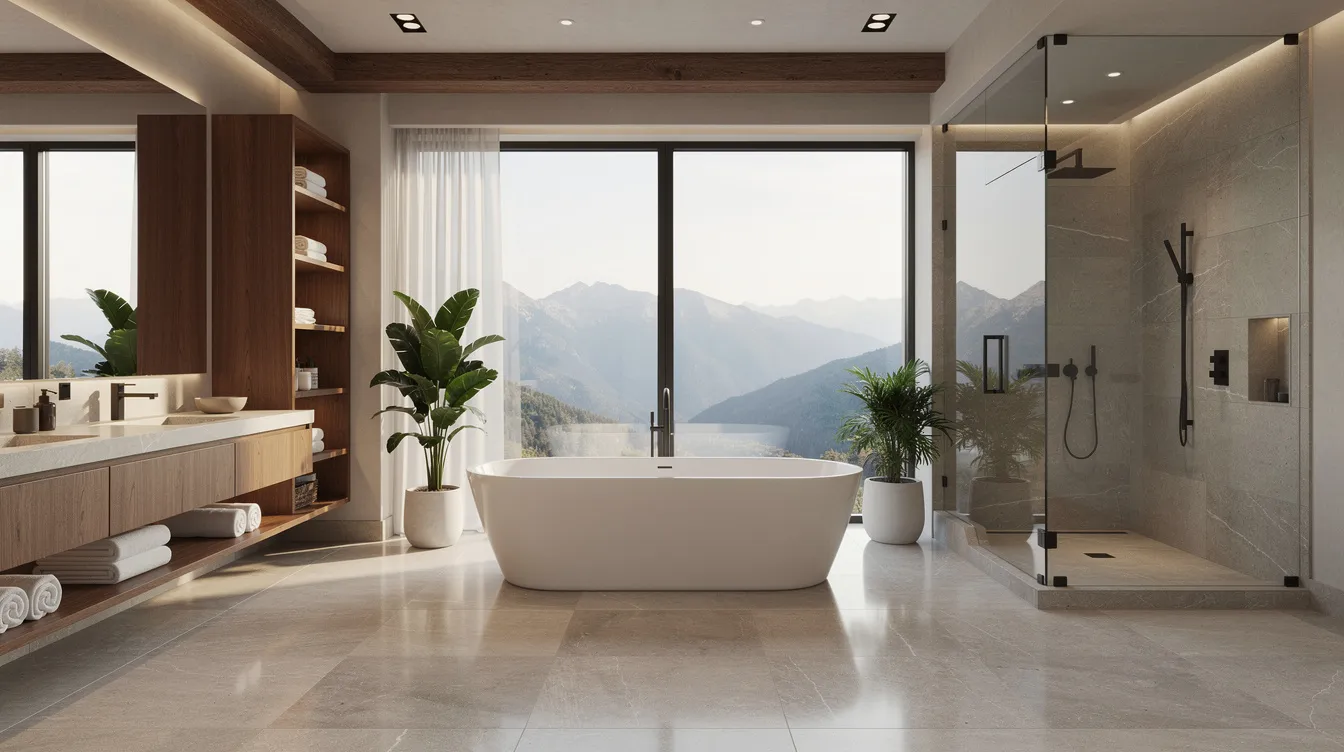
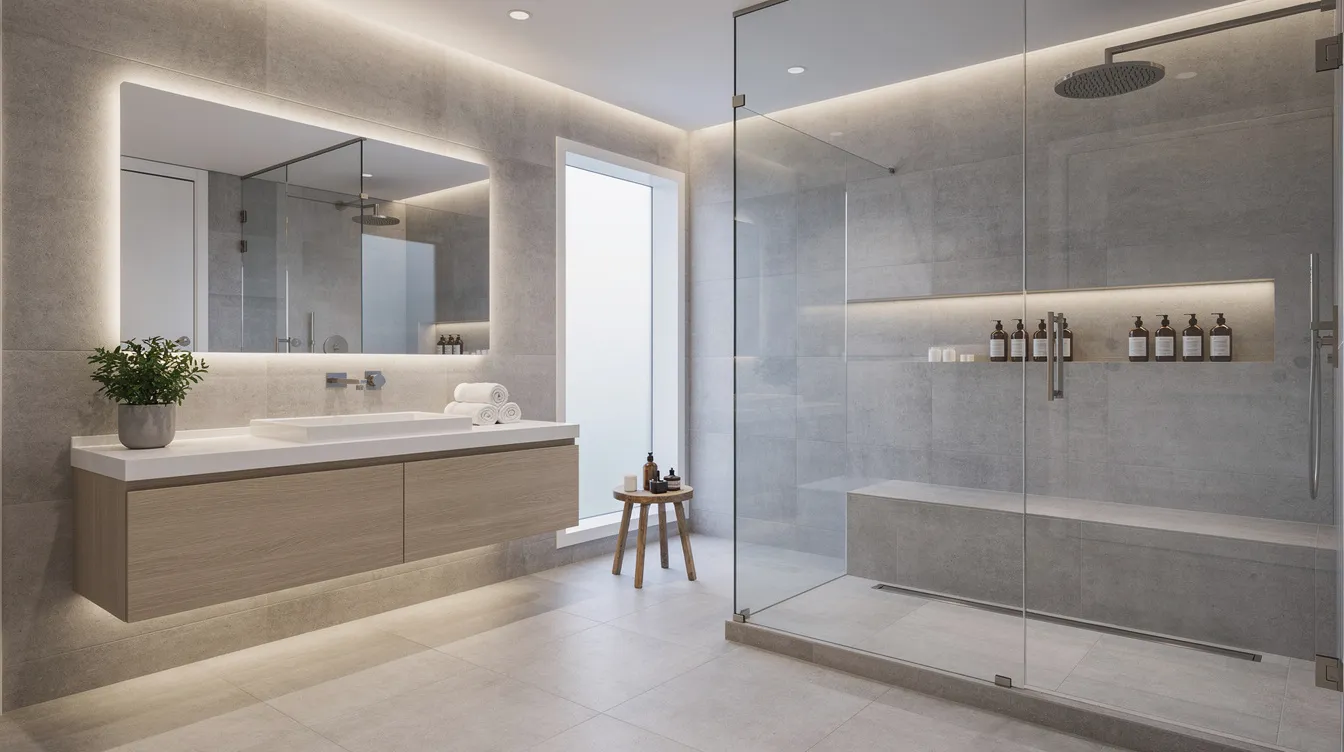
Colorado Springs homeowners frequently want to create a true spa-style primary suite by enlarging an existing bathroom, adding a second sink, walk-in shower, or soaking tub. This often represents the perfect solution for dated 1990s homes where builder-grade bathrooms no longer match the rest of the house.
Expansion strategies include absorbing a nearby closet, cantilevering a small bump out over existing foundation, or reworking adjoining rooms to create a larger, better-proportioned bathroom. These approaches can transform a cramped 50-square-foot bath into a 200+ square foot wet-room retreat.
Popular tile-centric features Elevated Tile and Remodeling delivers:
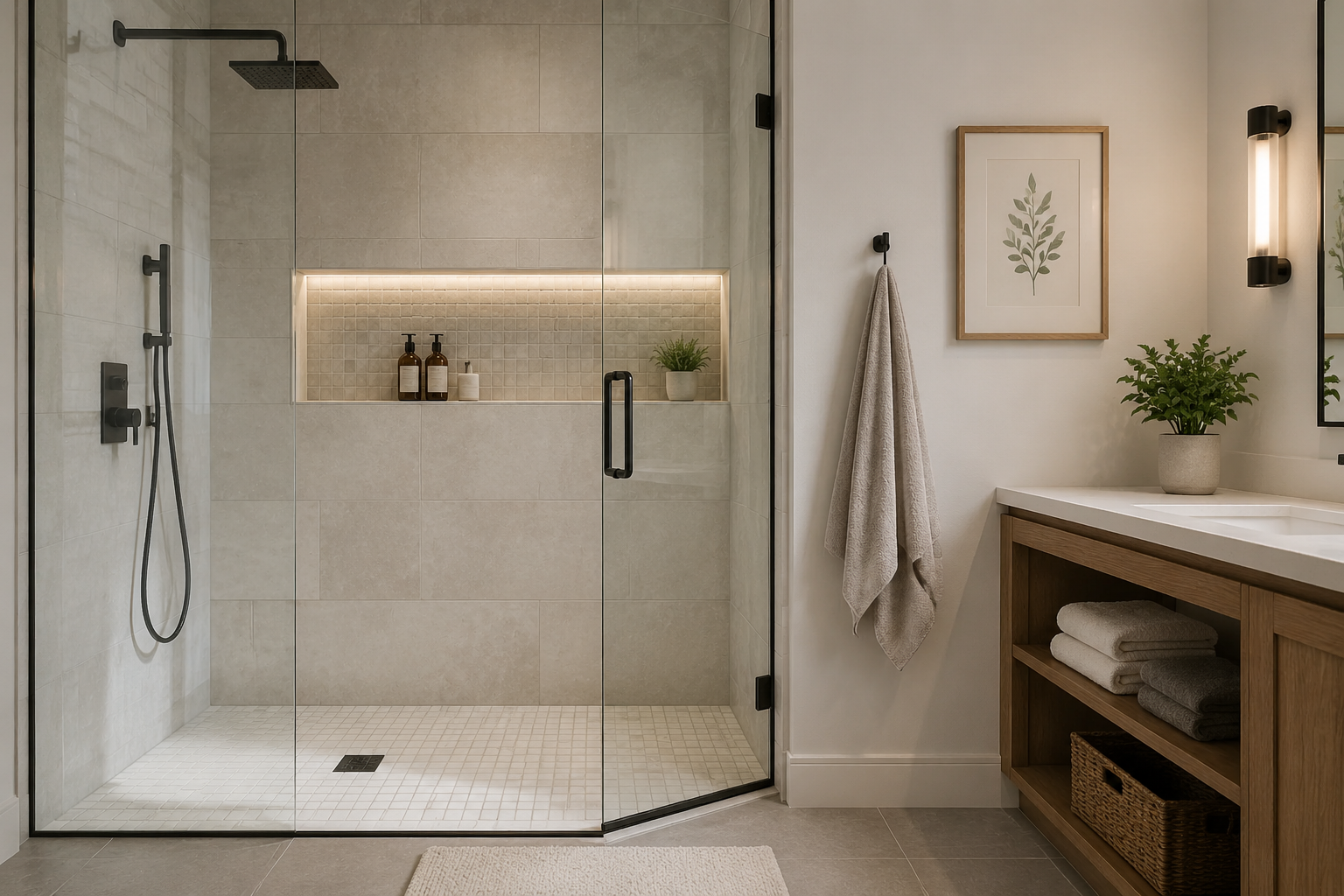
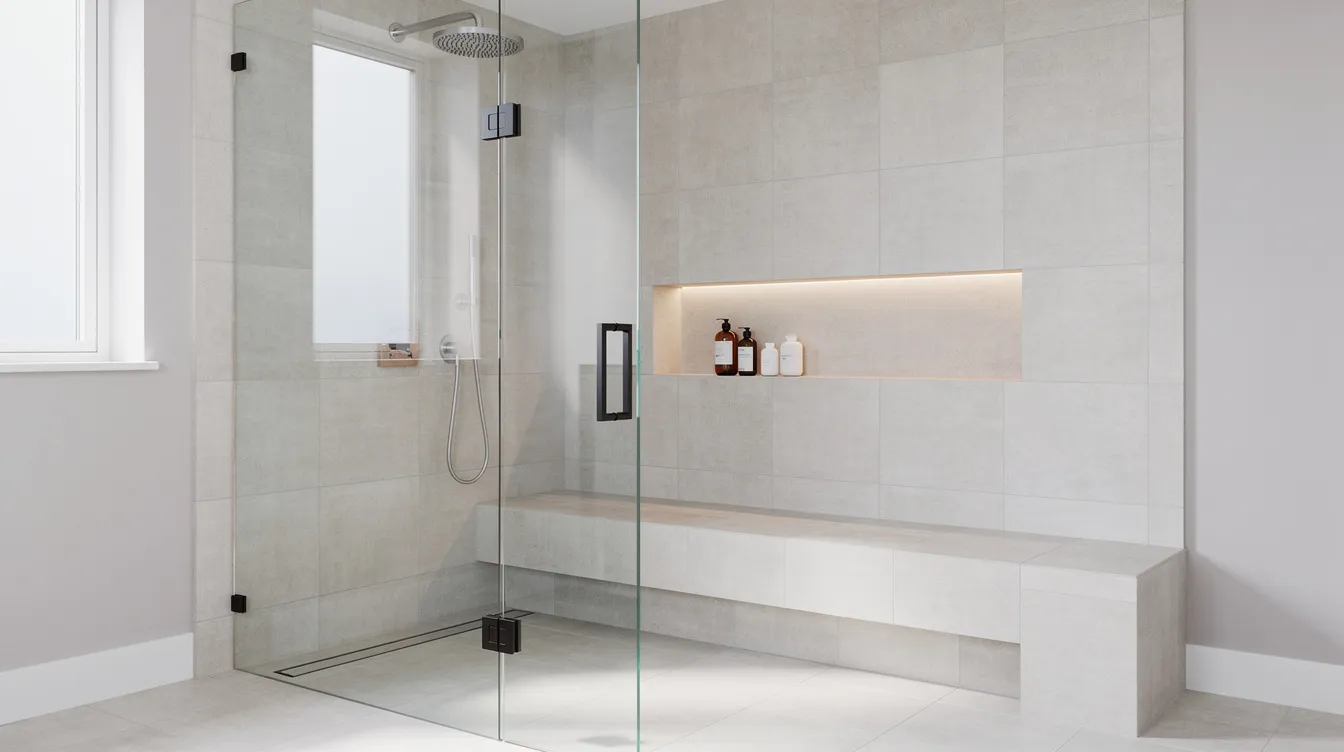
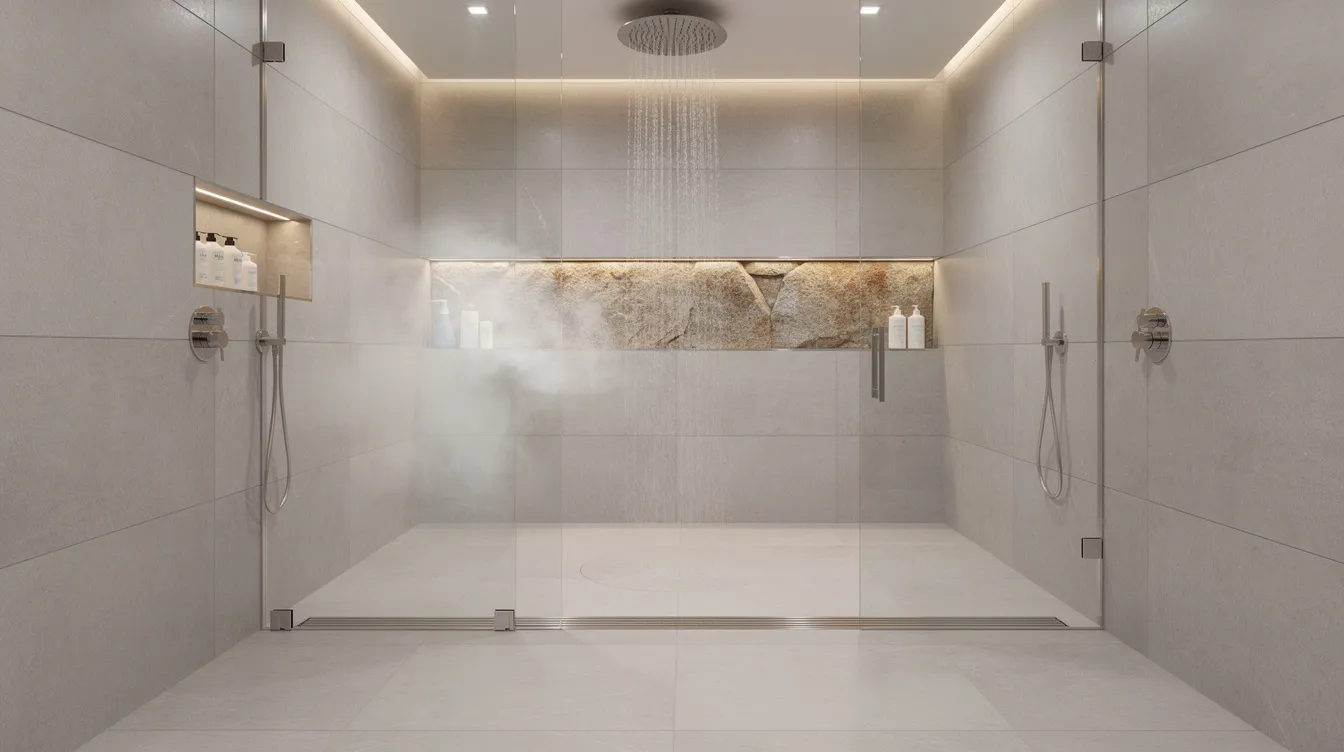
- Curbless walk-in showers with linear drains
- Heated porcelain tile floors
- Full-height tile feature walls
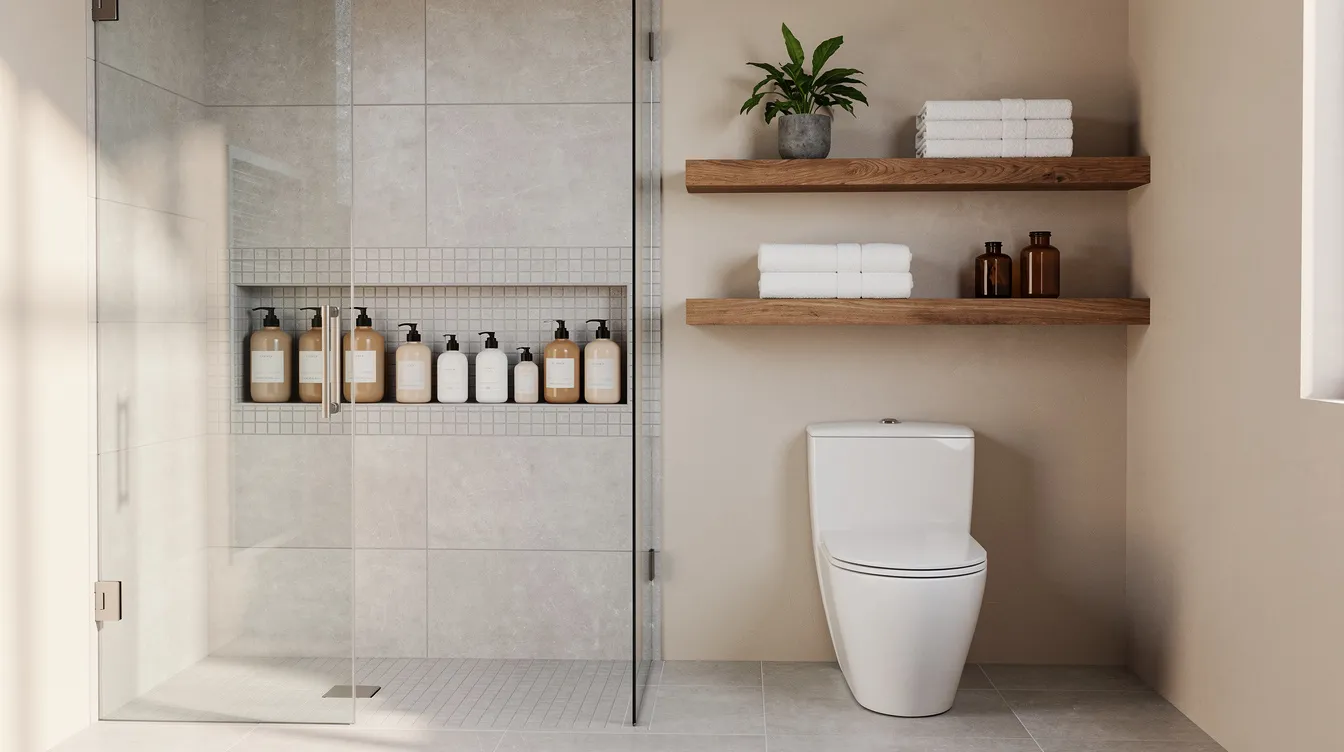
- Custom mosaic accents and waterproof niches
Local budget notes: High-quality primary bath remodels and expansions in Colorado Springs in 2024 often range from the mid-$30,000s to $70,000+, depending on plumbing changes and material selections. Heated tile installation adds $10–$20 per square foot but delivers daily comfort during cold winters.
Anecdotal example: Transforming a dated 1998 master bath in Rockrimmon into a modern, enlarged wet-room layout with continuous porcelain tile, seamless glass enclosure, and heated floors can significantly increase both home value and daily enjoyment—turning an outdated space into a personal sanctuary.
Sunroom-Style Spaces and Four-Season Rooms
- Add a sunroom or four-season room for year-round enjoyment
- Use as reading rooms, plant-filled spaces, or casual family rooms
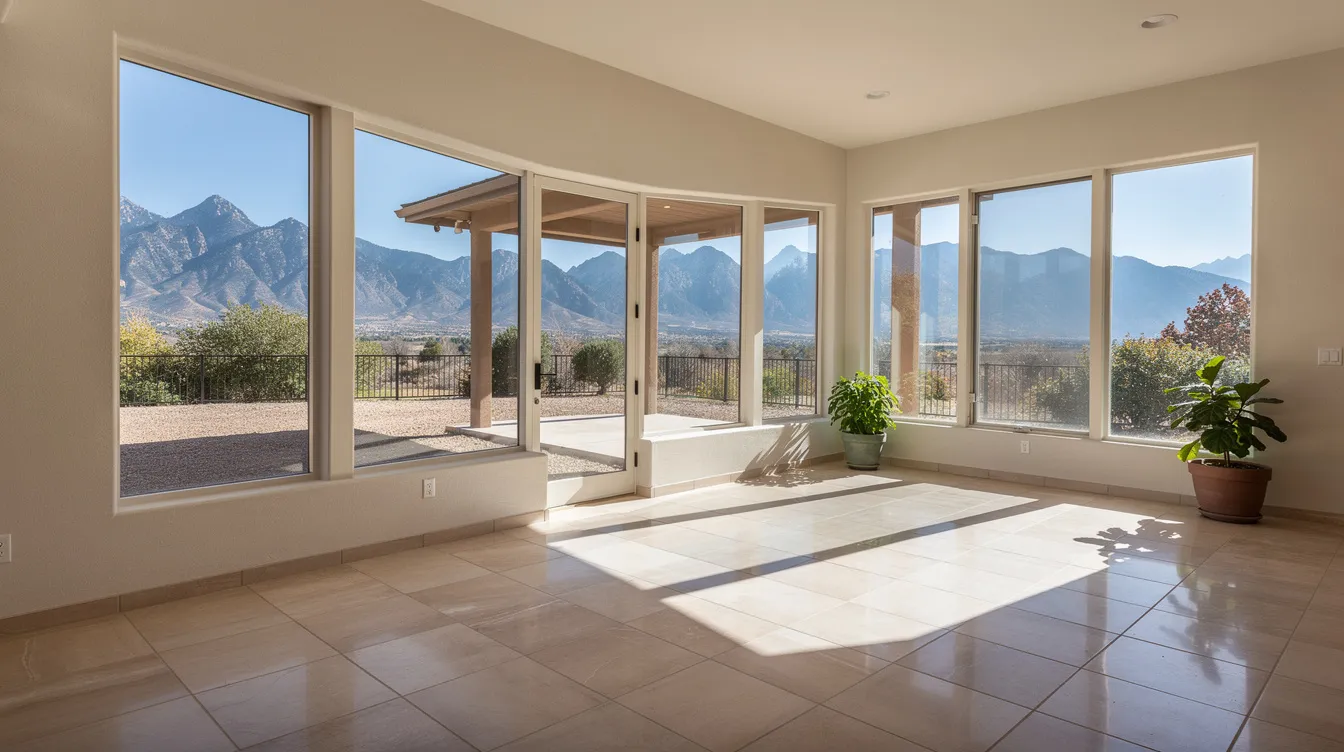
A sunroom is an addition that typically serves as a supplemental living area. There’s an important distinction between a basic three-season sunroom and a fully insulated, four-season room that can be counted as living space during Colorado Springs’ colder months. Three-season rooms are essentially enclosed porches, while four-season rooms meet energy codes with R-20 walls, HVAC integration, and proper insulation.
Four-season rooms must meet local energy code requirements, tying into your home’s HVAC system and using appropriate windows and insulation for winter storms and summer sun at altitude. Triple-pane windows, which range from $148–$812 each, provide UV protection essential at Colorado Springs’ 5,000–7,000 foot elevation.
Sample cost range: Professionally built, conditioned sunroom-style additions often start around the $40,000–$60,000 mark and rise with size and window quality. The investment delivers year-round more living space with 300+ sunny days annually to enjoy.
Careful tile selection makes these rooms feel bright and comfortable year-round. Slip-resistant, light-colored porcelain tiles retain heat well in winter while staying cool underfoot during summer months.
Garage Conversions and Above-Garage Suites
- Convert attached garage or build suite above garage for guest suites, home offices, or teen spaces
- Maximize use of existing structure without expanding footprint
Trade-offs to consider:
- Loss of parking or storage vs. gain of heated, finished square footage
- Potential for rentable accessory dwelling units or private in-law suites
- Impact on curb appeal if not designed thoughtfully
Key technical issues require attention to detail. Floor raises of 4–6 inches accommodate insulation requirements. Fire-rated separations between living space and any remaining garage areas meet code. Plumbing routing for a bathroom adds complexity, and interior finishes must integrate seamlessly so the new space doesn’t “feel like a former garage.”
Ballpark numbers for Colorado Springs:
| Conversion Type | Starting Cost | Full Suite with Bath |
|---|---|---|
| Basic garage conversion | Mid-$20,000s | — |
| Standard suite | $40,000–$50,000 | Included |
| High-end with premium finishes | — | $60,000+ |
Elevated Tile and Remodeling transforms these spaces with upgraded bathrooms and refined tile finishes that match the main home, ensuring your garage conversion becomes an extension of your life rather than an obvious afterthought.
Second-Story Additions and Major Reconfigurations
- Add a second story or major reconfiguration for substantial square footage
- Ideal for lots with limited space for horizontal expansion
Second story additions represent major home renovations that add substantial square footage when lot sizes in areas like Old Colorado City, central Colorado Springs, or Manitou Springs are constrained. Sometimes called a pop top, these projects essentially build a new home on top of your existing house.
These extensive renovations typically require:
- Structural engineer (4-8% of total project budget)
- Zoning review and full permits ($20,000–$25,000 for utilities and tap fees)
- Homeowners to relocate during heavy construction phases
- New staircase connecting floors
An interior-focused contractor like Elevated Tile and Remodeling becomes part of a larger team on these projects, concentrating on the tile, bathroom, and finish work once the shell is built. This ensures that even major home renovations deliver the same attention to detail in every bathroom and living room throughout the story addition.
Cost reality: 2024 costs for substantial second story additions can easily reach into six figures in the Pikes Peak region—often $300–$500 per square foot—especially with multiple bathrooms and high-end finishes. Labor shortages (plumbers at $30.12/hour, electricians at $32.04/hour) continue pushing prices upward.
Position second story additions as an option for long-term “forever homes” where owners intend to stay 10+ years and want fully customized layouts and primary suites. If you’re planning to build your dream home without leaving your property, this represents the most transformative approach.
Accessory Dwelling Units (ADUs)
- Build a self-contained unit for relatives, guests, or renters
- Can be attached or detached from the main house
A detached accessory dwelling unit (DADU) adds space to the property but is not physically attached to the home. Accessory dwelling units, or ADUs, are a versatile way to add additional living space to your property. These self-contained units can be built as separate structures in your backyard or attached to your main house, offering a flexible solution for families who need more space for relatives, guests, or even renters. ADUs typically include essential amenities like a kitchen, bathroom, and bedroom, making them ideal for in law suites, guest accommodations, or generating rental income.
Before starting an ADU project, it’s important to review local zoning laws and regulations in Colorado Springs, as these can affect where and how you build. With careful planning, an accessory dwelling unit can provide valuable extra space while enhancing your property’s functionality and value—whether you’re accommodating a growing family or looking for a smart investment.
Now that you know the main types of additions, let’s explore how to choose between remodeling your existing space and adding on.
Choosing Between Remodeling Your Existing Space and Adding On
Many Colorado Springs homeowners don’t actually need more square footage—they need smarter layouts, better storage, and updated finishes, especially in bathrooms and kitchens. Before committing to an addition project, consider whether reconfiguring existing spaces might deliver the results you want at lower cost and disruption.
Comparing scenarios:
| Situation | Best Approach | Why |
|---|---|---|
| Outdated bathrooms, good floor plan | Remodel | Update finishes without structural changes |
| Growing family needs extra bedroom | Addition or basement finish | Square footage deficit requires expansion |
| Poor kitchen layout, adequate size | Remodel | Reconfigure walls and flow |
| Work-from-home needs quiet space | Either | Depends on available room to convert |
| Aging parents moving in | Addition or accessory dwelling units | Privacy requires separate space |
Encourage yourself to list concrete needs rather than jumping straight to “we need an addition.” For example, a second upstairs bathroom for teenagers attending Cheyenne Mountain High School, or a quiet home office for remote work, might be achievable through whole house renovations rather than adding space.
Local market awareness helps inform decisions. In popular Colorado Springs neighborhoods, adding a bedroom or updated bathrooms often aligns with buyer expectations and appraiser metrics. Homes near sought-after school districts and trail systems see particularly strong returns on bathroom and basement investments.
Elevated Tile and Remodeling’s initial consultation process helps homeowners decide whether a well-planned remodel, a small addition, or a combination of both offers the best blend of cost, comfort, and long-term property value.
Key Questions to Ask Before You Add On
Before committing to an addition project, work through these essential questions:
- How long do you plan to live in this home? Projects that take 10+ years to recoup favor additions only if you’ll stay long enough to enjoy them.
- Are you planning for aging in place? Zero-threshold showers and main-floor primary suites become important considerations for long-term accessibility.
- Will your household size change in the next 5–10 years? A growing family needs different solutions than empty nesters.
- Are you more concerned with staying under a specific dollar amount or achieving a certain level of finish quality? Budget caps versus quality expectations shape every decision.
- Does your lot have setback limits that restrict additions? Many Colorado Springs, Monument, and Fountain HOAs enforce 5–10 foot side setbacks and 35–50% lot coverage limits.
- Is your HOA restrictive about exterior changes? Some communities require architectural approval that limits addition options.
- Can you live through extensive renovations like a second story build, or would staged interior remodels be more manageable? Disruption tolerance varies significantly among households.
Use these questions to prepare for your call with Elevated Tile and Remodeling. Clear answers help the team guide you toward the right scope for your situation.
Now that you know how to evaluate your needs, let’s look at the financial side of planning your remodel or addition.
Budget, Financing, and ROI in the Pikes Peak Market
A home addition project requires careful planning and a hard look at your budget. Costs for home remodeling projects and additions in the greater Colorado Springs area are influenced by labor availability, materials, and local code requirements. Prices in 2024–2025 remain 62% above 2015 levels, outpacing general inflation due to skilled labor shortages and continued demand.
Common budgeting guidelines:
- Build a realistic range based on comparable local projects, not national averages
- Add a contingency of 10–15% for unexpected discoveries or material backorders (tile prices up 10% year-over-year)
- Prioritize spaces that improve daily life—bathrooms, kitchens, and main living areas deliver the most value
- Factor 5–10% cost escalation for larger projects extending into 2025
Basic financing options include:
- Home equity lines of credit (HELOCs) at current rates around 7–9%
- Cash-out refinancing if your current mortgage rate allows
- Saving and phasing remodeling projects over time
- Second mortgage products for substantial additions
ROI factors in Colorado Springs: Updated bathrooms recoup 50–70% of costs on resale per national indices adjusted for local appreciation. Finished basements add 10–15% to appraised value in family-oriented areas like Meridian Ranch or the Powers corridor. Additional bedrooms and bathrooms consistently command higher prices near sought-after school districts and trail systems.
Remember that comfort and function should come first, with ROI as an important—but not the only—decision driver when planning a home renovation. You’ll live with your choices daily; resale value matters most when you eventually sell.
With your budget in mind, let’s discuss how to select the right contractor for your project.
Working with a Colorado Springs Home Remodeling and Addition Contractor
Local expertise matters when tackling larger projects in the Pikes Peak region. Understanding freeze-thaw cycles that cause foundation shifts, expansive clay soils east of I-25 requiring specialized engineering, and regional design preferences from Black Forest rustic to Broadmoor elegance—these factors separate contractors who deliver lasting results from those who create problems.
Home addition projects often require obtaining the necessary permits to comply with local building codes.
A licensed, insured contractor coordinates permits, inspections, and trade partners, especially for addition projects involving structural work and new plumbing. Colorado Springs mandates contractor licensing through the Pikes Peak Regional Building Department, and permits are required for structural changes, electrical systems, plumbing, and most basement finishes.
Elevated Tile and Remodeling specializes in high-quality tile work and bathroom remodels, making them ideal for projects where upgraded baths or interior finishes are key components of the addition. Their extensive experience with waterproofing expertise prevents leaks in freeze-prone climates and ensures seamless transitions between new and existing flooring.
Look for transparent communication, detailed written scopes, and realistic timelines rather than the lowest possible estimate. Low bids often cut corners in waterproofing, tile installation, or structural work—leading to $10,000+ mold repairs down the road.
Elevated Tile and Remodeling serves the greater Colorado Springs, CO area—including Monument, Fountain, and surrounding neighborhoods—and provides clear, written proposals tailored to each project’s size and complexity.

Our Typical Remodel and Addition Process
The journey from initial idea to finished space follows a clear path designed to minimize surprises and maximize results.
Initial phone conversation: Discuss your vision, timeline, and budget range to determine if there’s a good fit for working together.
On-site consultation: Walk through your existing home, identify opportunities and constraints, and capture measurements and photos for planning.
Design and layout planning: Focus on tile selections, plumbing layouts, and finish details that elevate bathrooms, kitchens, and living areas beyond standard builder-grade looks. Custom design for full home remodel projects typically runs $30,000–$40,000.
Detailed estimate: Receive a written scope of work with clear line items, allowances for selections, and timeline expectations.
Scheduling: Coordinate start dates around your life—school schedules, holidays, and household routines all factor into the plan.
Construction: Work proceeds with dust control measures, defined working hours, clear access points, and protection for unaffected areas of your home.
Final walkthrough: Review completed work together, address any touch-ups, and receive care instructions for your new spaces.
Throughout construction, communication continues with progress updates and opportunities for you to review key stages before work proceeds. You’ll never wonder what’s happening in your own house.
Why Homeowners Choose Elevated Tile and Remodeling
Craftsmanship in tile and bathroom remodels represents a signature strength, particularly for high-end custom homes and luxury primary suites in the Colorado Springs area. When your existing home deserves better than builder-grade finishes, attention to detail in grout lines, waterproofing, layout patterns, and transitions makes all the difference.
What sets the work apart:
- Precise grout lines and pattern alignment that create visual continuity
- Waterproofing membranes properly installed to prevent moisture damage
- Layout patterns designed to complement architectural features
- Seamless transitions between new and existing flooring
Working with a contractor who respects existing architecture means your additions look original to the home, not tacked on. Historic homes in Old Colorado City receive different treatment than contemporary builds in Flying Horse, but both deserve additions that enhance rather than detract from their character.
The local service area covers the greater Colorado Springs region, including nearby communities such as Monument, Fountain, and surrounding neighborhoods where clients need the same level of quality.
Ready to discuss your home remodel or addition ideas? Contact Elevated Tile and Remodeling at +1 719-283-9569 to schedule a consultation and take the first step toward your dream home.
Planning Tips to Keep Your Remodel or Addition on Track
Even well-planned projects can feel disruptive, but thoughtful preparation with careful planning helps keep everything moving smoothly. The difference between a stressful experience and a manageable one often comes down to preparation before demolition day.
Create a Clear Priorities List
- Identify which rooms matter most to your daily life
- List must-have features (like a walk-in shower or extra storage)
- Note nice-to-haves that can be added if budget allows
Schedule Around Colorado Springs Weather
- Plan additions requiring foundation work, exterior framing, or roofing tie-ins for late spring through early fall
- Schedule interior-focused remodels year-round
Prepare Your Household for Construction
- Set up temporary bathing or cooking areas if needed
- Move valuables and fragile items out of work zones
- Plan for pets or kids during noisy demolition phases
- Identify a quiet retreat space for work-from-home days
Make Material Selections Early
- Choose tile, fixtures, and cabinets before construction begins to avoid delays
- Account for 4–6 week lead times on many materials
Common Pitfalls to Avoid
Starting construction without a clear, signed scope of work creates risk for everyone. Ensure your contract includes how changes will be handled and priced—unsigned scopes lead to 20–30% overruns through change-order creep.
Warning signs to watch for:
- Choosing solely on lowest bid—cheap estimates often mean cut corners in waterproofing, tile installation, or structural work that cost far more to fix later
- DIY in critical areas—shower waterproofing, structural framing, and electrical systems require professional expertise
- Unrealistic timeline expectations—larger projects and multi-room remodels often take several weeks to a few months
- Skipping license verification—Colorado Springs mandates contractor licensing; verify credentials and insurance before signing anything
Realistic expectations prevent disappointment. Timelines stretch 20% or more due to inspection schedules, material availability, and the inherent complexity of working within an existing structure. Plan for flexibility and you’ll handle inevitable adjustments with less stress.
Now that you’re prepared for the planning process, let’s answer some of the most common questions about home remodels and additions in Colorado Springs.
Frequently Asked Questions About Home Remodels and Additions in Colorado Springs
How long do typical remodels and additions take in the Colorado Springs area?
Most single-room bathroom remodels take around 3–6 weeks once construction begins, while basement finishes and moderate additions often range from 8–16 weeks depending on scope and inspections. However, the design process, permitting, and material selection add several weeks before demolition starts. Plan several months from first call to completion for most projects.
Do I need a permit for my home remodel or addition?
In the City of Colorado Springs and surrounding jurisdictions, permits are required for structural changes, new additions, most electrical and plumbing work, and many basement finishes. Elevated Tile and Remodeling helps determine which permits are needed and typically manages the permit process as part of a full-service project, removing this burden from homeowners.
Can I stay in my home during the remodel or addition?
Many homeowners remain in their homes during bathroom remodels, basement finishes, and small additions by using upstairs guest bathrooms or adjusting daily routines. Second story additions or whole-level reconfigurations may require the family to stay elsewhere for portions of the project for safety and comfort. Your contractor can advise based on your specific project scope.
What’s the best time of year to start a remodel or addition in Colorado Springs?
Interior-focused remodels, such as bathrooms and kitchens, can be done year-round since weather doesn’t affect work inside your existing home. Large additions involving foundations and roofing are often easiest to start in late spring through early fall to avoid winter complications. Scheduling early helps secure preferred dates, especially in busy seasons when many homeowners plan projects around school schedules and holidays.
When should I contact Elevated Tile and Remodeling about my project?
Reach out as soon as you begin seriously considering a new home remodel or addition. Adequate time for design, selections, and permitting before your ideal start date prevents rushing and ensures better results. Popular contractors book weeks or months in advance, so early planning gives you the best chance of starting when you want. Call Elevated Tile and Remodeling at +1 719-283-9569 to discuss timelines, ideas, and next steps for projects anywhere in the greater Colorado Springs, CO area.

At Elevated Tile and Remodeling, we specialize in transforming high-end custom homes through exquisite bathroom remodels, expert tile installation, and meticulous interior finishes. Our dedication to craftsmanship and detail ensures that every project reflects our clients' unique visions, enhancing both beauty and functionality in the Colorado Springs area.