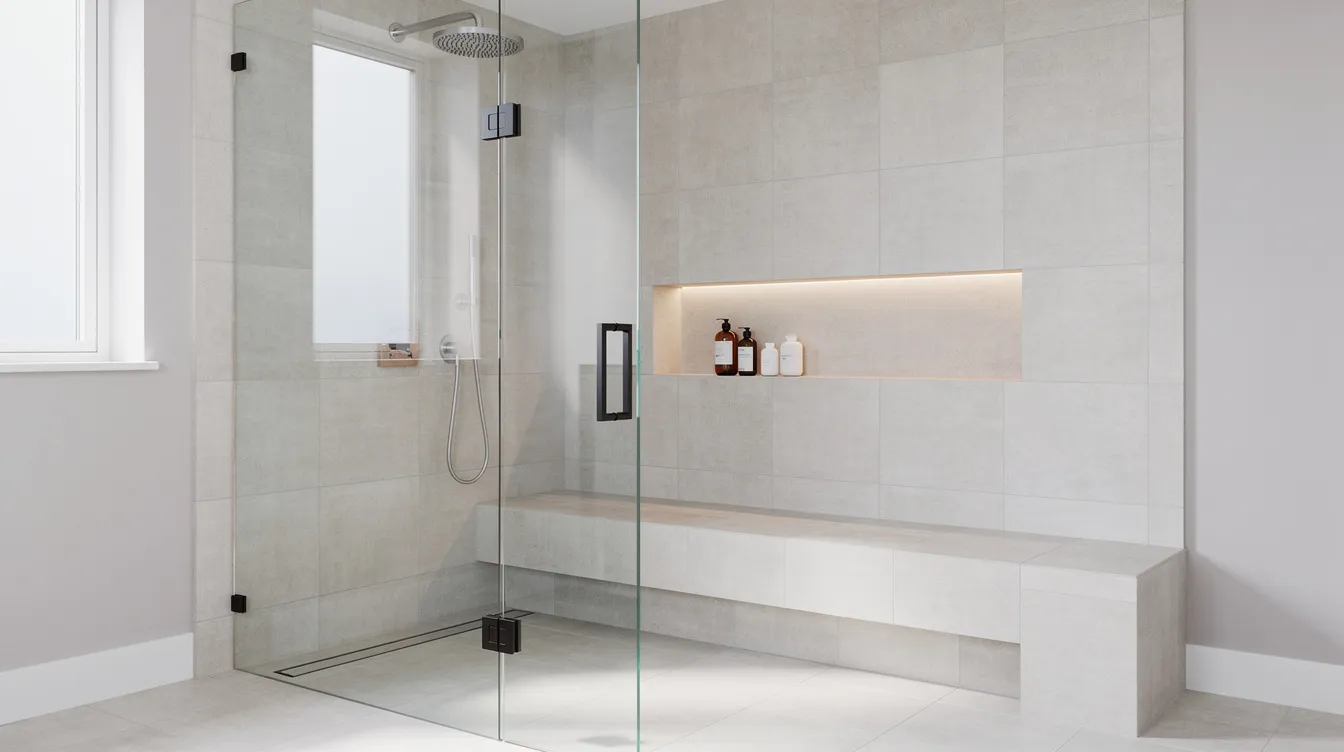
Ceramic vs Porcelain Tiles: How to Choose for Your Colorado Springs Home
Key Takeaways
- Porcelain is denser, with water absorption below 0.5%, making it the better choice for high-traffic areas, showers, bathroom floors, and outdoor applications in Colorado Springs’ variable climate with frequent freeze-thaw cycles.
- Ceramic is more budget friendly, easier to cut and install, and works beautifully for walls, low-traffic rooms like powder rooms, and decorative backsplashes.
- Both porcelain and ceramic tiles come in a vast array of styles, but porcelain excels at realistic stone and hardwood looks while ceramic offers more colorful glazes and handmade aesthetics.
- Elevated Tile and Remodeling helps homeowners throughout the greater Colorado Springs, CO area choose and install the right porcelain or ceramic tile for each specific space, ensuring long-term performance and design satisfaction.
Introduction: Why the Ceramic vs Porcelain Choice Matters
When you’re planning a tile project for your Colorado Springs home, one of the first decisions you’ll face is whether to use porcelain or ceramic tile. Both are kiln-fired, clay based materials that can look remarkably similar on the showroom floor—but they perform quite differently where it counts: durability, moisture resistance, and suitability for your specific rooms.
This choice becomes especially important in Colorado Springs, where your tiles will face unique challenges. Think about your bathroom floors exposed to daily shower splashes, your entryway enduring boots caked with snow and grit, or your patio surviving temperature swings that can shift 40°F in a single day. The wrong tile in the wrong place means premature wear, cracking, or replacement—while the right choice delivers decades of beauty and function.
In this guide, we’ll walk through everything you need to know about ceramic vs porcelain tiles:
- The basic composition and manufacturing process of each material
- How durability and strength compare in real-world use
- Water, heat, and slip resistance differences that matter in Colorado’s climate
- Design options and appearance for different rooms
- Installation considerations, including when to call a professional
- Cost, maintenance, and long-term value
- Room-by-room recommendations for Colorado Springs homes
This perspective comes from
Elevated Tile and Remodeling, a local tile and bathroom remodeling specialist serving the greater Colorado Springs area with expertise in high-end custom installations.
What Is Ceramic Tile?
Ceramic tile has been used in homes for thousands of years, tracing back to ancient Mesopotamia and Egypt. Today, it remains one of the most popular choices for walls, backsplashes, and floors in bathrooms and kitchens across Colorado Springs.
Here’s what defines ceramic tile:
- Made from red or white clay mixed with sand and other natural materials, and other materials such as feldspar and quartz, then shaped and fired in a kiln at lower temperatures compared to porcelain tiles, typically ranging from approximately 1,800–2,000°F
- Typically softer and more porous than porcelain, with water absorption rates generally between 3% and 7%
- Usually coated with a decorative glaze on the visible surface, which provides color, pattern, and some protection against moisture
- The edges and back of standard ceramic tiles remain more absorbent, which limits where they can safely be used—especially in high moisture environments
- Easier to cut and shape with basic tools like snap cutters, which can reduce labor time on detailed wall layouts, niches, and decorative patterns
- Available in common sizes like 3x6 subway tiles, 4x4 squares, and 12x12 or 12x24 glazed wall tiles—formats frequently seen in Colorado Springs bathrooms and kitchens
Ceramic tile offers an excellent choice for projects where design flexibility and budget matter more than extreme durability or water exposure, inspiring
stunning tile ideas for interior finishes in Colorado Springs from backsplashes to accent walls.
What Is Porcelain Tile?
Porcelain is technically a type of ceramic, but the differences in composition and manufacturing process create a distinctly superior product for demanding applications.
Here’s what sets porcelain tile apart:
- Made from finer, denser clay combined with minerals like feldspar and quartz, as well as other materials such as sand, which together create a more refined body
- Fired at higher temperatures than ceramic—often exceeding 2,200°F—which produces a harder, more vitrified structure
- Exhibits very low water absorption, typically less than 0.5% per ASTM standards, making it highly suitable for showers, bathroom floors, laundry rooms, and some outdoor areas
- Many porcelain tiles are “through-body,” meaning the color extends consistently through the entire tile, so chips and scratches are far less noticeable
- Heavier per square foot than ceramic (typically 3-4 lbs vs. 2-3 lbs), which affects handling and wall applications
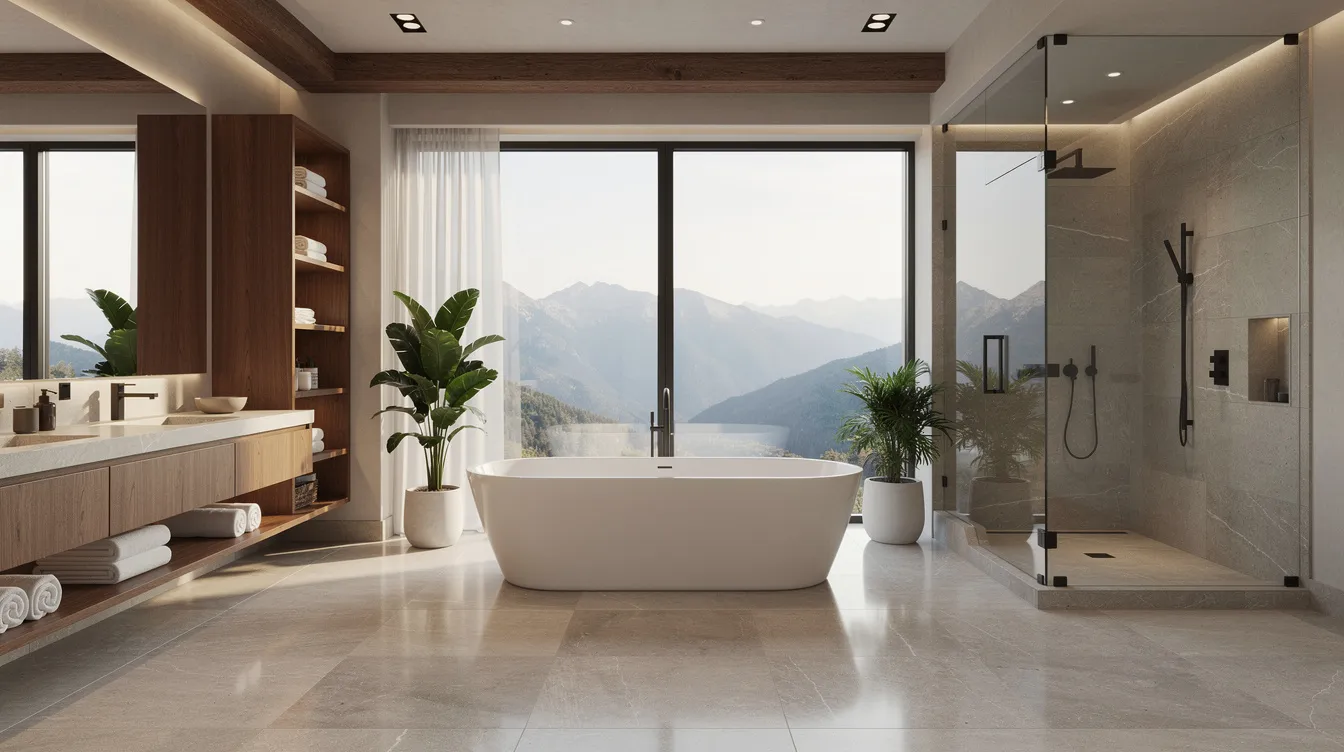
- Available in larger formats like 12x24, 24x24, and wood-look planks (6x36 or 8x48)—popular choices for Colorado Springs bathroom floors, walk-in showers, and heated floor systems
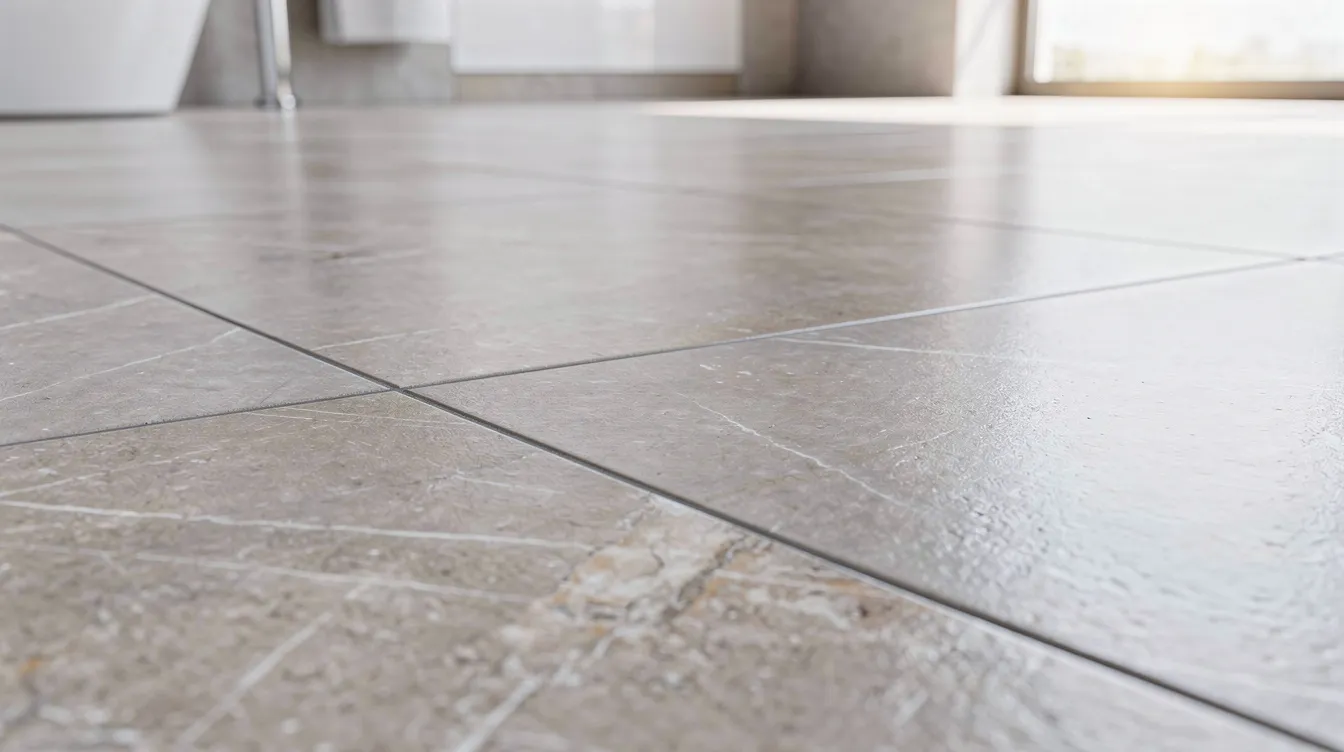
Porcelain’s exceptional durability and high water resistance make it the go-to material for spaces that see heavy use or constant moisture exposure.
Material and Composition Differences
Understanding the key differences between ceramic and porcelain starts with their raw materials and how they’re processed. While both begin as clay based products fired in a kiln, the similarities largely end there.
Ceramic tiles use coarser, less refined clays that retain higher porosity even after firing. Porcelain employs finer, denser clay with a higher proportion of kaolin (china clay) and fluxing agents like feldspar. Both ceramic and porcelain tiles may also include other materials such as sand, feldspar, and quartz, which influence their durability, strength, and suitable applications. This refined clay mixture, combined with extreme pressure during forming, sets the stage for porcelain’s superior performance.
Here’s how the materials compare:
- Clay body: Ceramic uses coarser clays that remain relatively porous after firing and may include other materials like sand, feldspar, and quartz; porcelain uses very fine, dense clays with higher mineral content and similar additives that create a glassier structure
- Firing temperatures: Ceramic is fired at lower temperatures, roughly 1,800–2,000°F, while porcelain fires above 2,200°F under extreme pressure—this higher temperature causes near-total vitrification
- Porosity: Ceramic absorbs 3-7% water on unglazed surfaces; porcelain absorbs less than 0.5%, making it nearly impervious to moisture—critical in wet Colorado winters with frequent freeze-thaw cycles
- Weight: Porcelain is usually heavier per square foot (3-4 lbs vs. 2-3 lbs for ceramic), affecting transportation, handling, and wall installation requirements
- Visual identification: If you look at a tile’s edge or back, porcelain shows consistent color throughout, while ceramic typically reveals a contrast between the glazed surface and a porous reddish or tan base
In essence, porcelain is a more refined, more demanding version of ceramic—requiring specialized tools and expertise but delivering measurably better performance in challenging environments.
Durability and Strength
When it comes to daily wear in a busy household, porcelain tile durability stands clearly above ceramic. The difference stems directly from porcelain’s increased density and hardness.
Here’s what that means in practice:
- Porcelain’s dense structure makes it more resistant to chips, cracks, and deep scratches, making it ideal for high traffic floors and active family homes with pets or children
- Industry-standard PEI (Porcelain Enamel Institute) ratings quantify this: porcelain commonly achieves PEI 4-5 (suitable for heavy residential and commercial spaces), while ceramic tiles often max out at PEI 3 for moderate traffic
- Porcelain is the preferred choice for entryways, mudrooms, and main living area floors in Colorado Springs, where tracked-in sand, de-icing salts, and melting snow accelerate wear on less durable materials
- Ceramic offers good durability on walls and low- to moderate-traffic floors—think guest baths, powder rooms, and accent walls where impact and foot traffic are lighter
- Porcelain can last 50+ years in demanding conditions versus ceramic’s 20-30 years in similar settings, according to industry longevity studies
For spaces that see constant use—especially in Colorado homes where outdoor elements get tracked inside—porcelain’s incredibly durable nature pays off over time.
Water, Heat, and Slip Resistance
Performance in wet, hot, and potentially slippery conditions varies significantly between porcelain and ceramic tiles. Here’s how each material handles these critical factors:
Water Resistance
Porcelain’s vitrified structure absorbs less water than almost any other tile material—under 0.5%, classified as “impervious” by ISO standards. This makes porcelain the best choice for showers, bathroom floors, laundry rooms, and covered outdoor areas exposed to Colorado’s wet winters. The low absorption prevents mold, mildew, and the spalling that occurs when trapped moisture freezes and expands.
Glazed ceramic handles surface moisture effectively and works fine for many indoor wet walls and some floors. However, the more porous body (3-7% absorption on unglazed portions) creates risk in constantly soaked areas or exterior freeze-thaw scenarios. For high moisture areas like shower floors and steam showers, porcelain remains the safer choice.
Heat Resistance
Both ceramic and porcelain handle high temperatures well, making either material safe for fireplace surrounds and radiant-heated floors. Porcelain’s thermal mass retains warmth slightly longer—up to 20-30% more efficiently according to some manufacturer tests—which benefits Colorado homeowners during cold months. Ceramic cools faster, which can feel colder underfoot in winter.
Slip Resistance
Slip resistance depends more on surface finish and texture than on whether a tile is ceramic or porcelain. Many porcelain lines are engineered with textured or matte surfaces (rated R10-R11) specifically for wet environments. Glossy ceramic can be slippery when wet, though both materials can incorporate additives like silica sand for improved traction.
For showers, bathroom floors, and entryways where snow and water are tracked in, choose tiles with adequate slip ratings regardless of material type.
Design and Appearance Options
Modern manufacturing has dramatically expanded what both porcelain and ceramic tiles can look like. Digital inkjet printing technology, refined since the 2010s, now allows for hyper-realistic textures that were impossible a generation ago.
Here’s how the design options break down:
- Ceramic tiles excel in vibrant glazes, decorative patterns, and classic shapes—subway tiles, Moroccan patterns, and hand-painted looks that bring character to backsplashes and feature walls
- Porcelain tiles are often used to realistically mimic natural stone (marble, limestone, slate), hardwood planks, and concrete, with photorealistic accuracy and through-body consistency that minimizes visible chips
- Size ranges: Ceramic commonly comes in smaller formats (3x6 subway, 4x4, 8x8 decorative, 12x12) ideal for walls and backsplashes; porcelain offers large formats (12x24, 24x24, and slabs up to 5x10 feet) for seamless modern floors and statement walls
- Finishes: Both materials are available in matte, satin, glossy, polished, and textured options—texture for slip resistance in wet areas, polished for luxury in dry spaces
- Current trends: Colorado Springs homeowners are gravitating toward large-format porcelain for stone-look bathrooms and wood-look patios, while ceramic patterned backsplashes remain popular in transitional and farmhouse kitchens
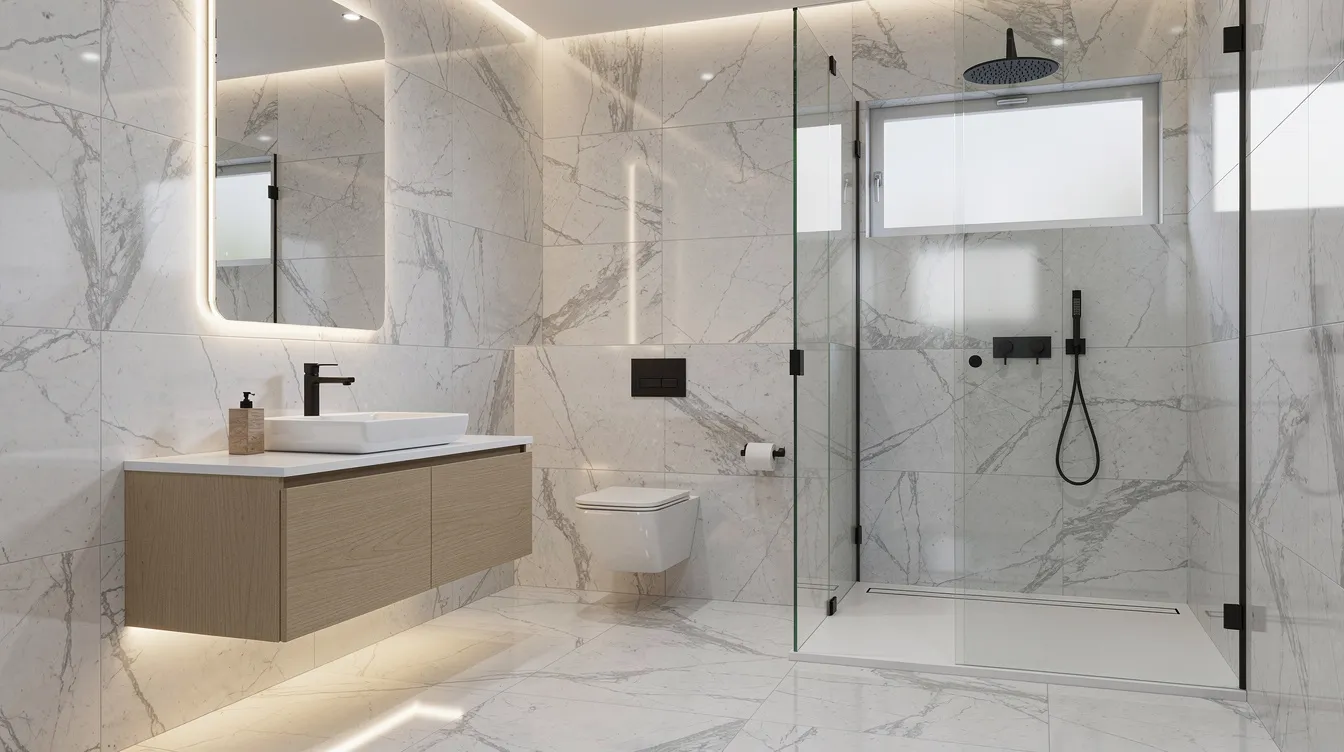
The wider variety of realistic looks in porcelain makes it particularly appealing for those wanting the aesthetic of natural materials without the maintenance and sealing requirements of actual stone or hardwood.
Installation Considerations
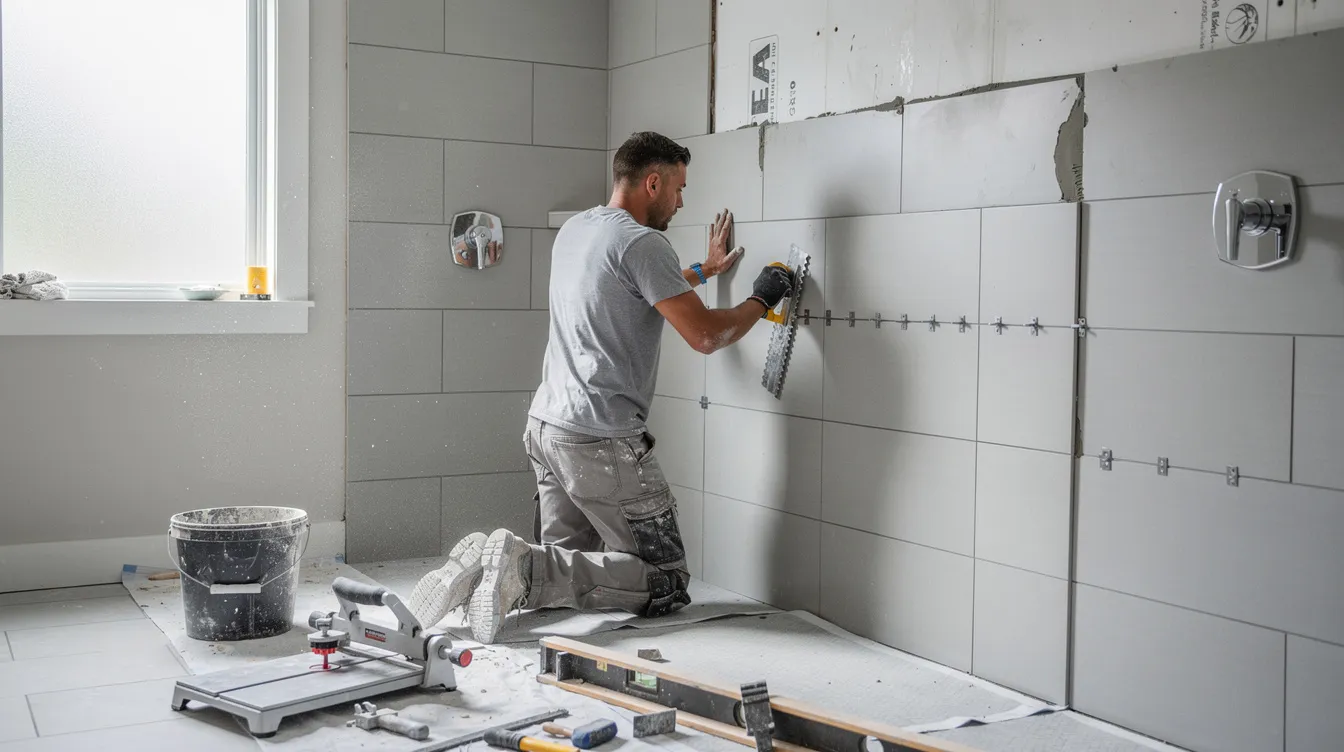
While both ceramic and porcelain tiles can create stunning results, the installation process differs significantly—and in most cases, professional installation is the smartest choice for Colorado Springs remodel projects.
Here’s what to consider:
- Cutting difficulty: Ceramic is generally easier to cut and drill, making it slightly more forgiving for DIY projects. Porcelain’s hardness requires stronger tools—high-quality wet saws with diamond blades—and experienced installers to avoid breakage, especially in large formats. Requiring specialized tools increases labor costs by 20-50% for porcelain versus ceramic.
- Subfloor preparation: Both materials demand a flat, stable substrate (within 1/8-inch variance over 10 feet) and appropriate underlayment to prevent cracks. In Colorado’s homes, where expansive clay soils can cause foundation movement, proper cement board installation and expansion joints every 25 feet help mitigate problems.
- Weight considerations: Porcelain’s heavier weight (3-4 lbs per square foot) means walls require reinforced backer boards and appropriate fastening methods—not always standard in older Colorado Springs construction.
- Large-format challenges: Large-format porcelain tiles demand precise layout, leveling systems, and consistent grout lines to avoid lippage (the uneven edge where tiles meet). Tolerance standards require less than 1/16-inch variation.
- Waterproofing: For complex bathroom remodels, curbless showers, steam showers, and heated floors, proper waterproofing membranes are essential beneath both tile types. This is not optional—it’s the foundation of a long-lasting wet-area installation.
For Colorado Springs homeowners tackling significant remodels, working with
professional tile installers like Elevated Tile and Remodeling ensures proper substrate prep, movement control, and waterproofing that stand up to local climate demands.
Bathroom Floors and Shower Walls: Special Considerations
Bathrooms are among the most demanding spaces in any Colorado Springs home, with floors and shower walls constantly exposed to water, humidity, and daily wear. Choosing the right tile—ceramic or porcelain—can make all the difference in both performance and long-term satisfaction, and expert tips for choosing bathroom tile can further inform your decisions.
Porcelain Tile: The Go-To for Bathroom Floors and High Moisture Areas
When it comes to bathroom floors, porcelain tile stands out as an excellent choice thanks to its exceptional durability and incredibly low water absorption. The denser clay mixture and advanced manufacturing process result in a tile that is not only incredibly durable but also highly resistant to stains and moisture. This makes porcelain tile especially suitable for high traffic areas and high moisture environments, such as main bathrooms, walk-in showers, and even commercial spaces where water resistance is critical.
Porcelain’s high water resistance means it can handle the constant splashes, steam, and spills that bathroom floors endure—without warping, staining, or cracking. Its durability and moisture resistance also make it a smart investment for families, pet owners, and anyone seeking a low maintenance solution that stands up to daily wear.
Ceramic Tile: A Versatile Option for Bathroom Walls
While porcelain is often the top pick for floors, ceramic tile remains a popular and practical option for bathroom walls. Ceramic tiles offer a wider variety of colors, patterns, and finishes, allowing homeowners to create unique designs and decorative accents. Because bathroom walls are less exposed to standing water and heavy foot traffic, ceramic’s slightly higher water absorption is less of a concern—especially when paired with proper waterproofing behind the tile.
Ceramic tiles are also easier to cut and install, making them a favorite for DIY projects or intricate wall layouts. Their lighter weight means less strain on wall substrates, and installation costs can be lower compared to porcelain, especially when working with smaller or more decorative tiles.
Porcelain vs Ceramic for Shower Walls
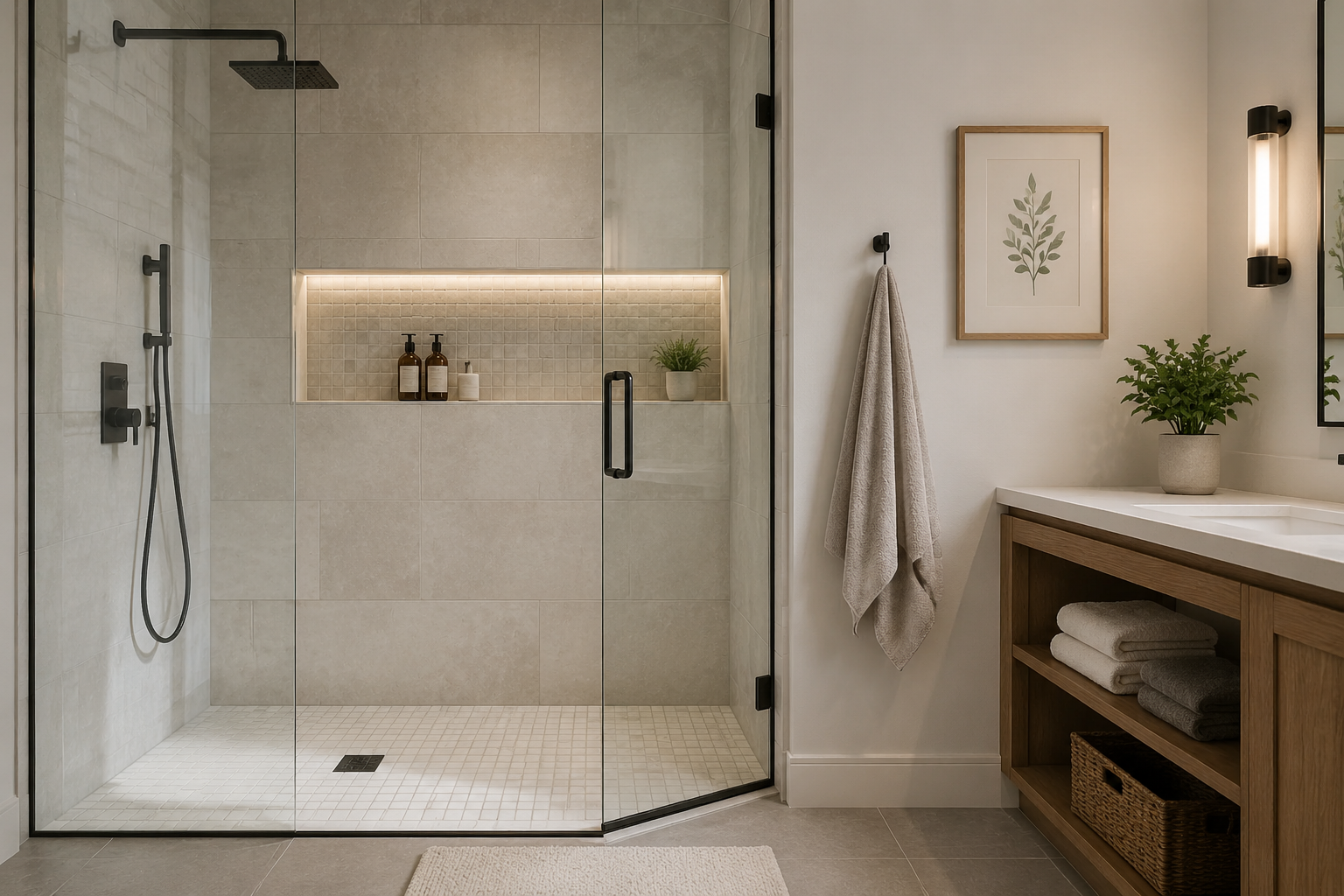
The debate between porcelain vs ceramic becomes especially important for shower walls. Porcelain tile’s low water absorption and high moisture resistance make it the preferred choice for shower enclosures, where constant exposure to water demands a material that won’t degrade over time. However, with proper waterproofing and professional installation, ceramic tiles can also be used on shower walls—just be mindful that they may not be as suitable for shower floors or areas with direct, prolonged water contact.
Installation and Professional Considerations
Both porcelain and ceramic tiles require careful preparation for bathroom installations. Cement board is essential as a substrate in high moisture areas, providing a stable, water-resistant base for your tiles. Porcelain’s density means it often requires specialized tools for cutting and fitting, which can increase installation costs and complexity. For this reason, professional installation is highly recommended for porcelain and large-format tiles, ensuring precise grout lines, proper waterproofing, and a long-lasting result.
Ceramic tiles, on the other hand, are more forgiving for DIY projects due to their softer composition and easier handling. Still, even with ceramic, professional installation can make a significant difference in the longevity and appearance of your bathroom walls and floors.
Design, Maintenance, and Long-Term Value
Both porcelain and ceramic tiles offer a vast array of design options, from classic subway tiles to modern stone and wood looks. Porcelain’s exceptional durability and low maintenance requirements make it especially appealing for busy households and commercial spaces, while ceramic’s design flexibility and budget-friendly price per square foot make it a great choice for accent walls and less trafficked bathrooms.
Making the Right Choice
Ultimately, the key differences between porcelain and ceramic tiles—such as water absorption, durability, and installation requirements—should guide your decision for bathroom floors and shower walls. Porcelain tile is generally the best fit for high moisture areas and high traffic floors, offering peace of mind with its superior performance. Ceramic tile, meanwhile, shines on bathroom walls and in spaces where design variety and cost are top priorities.
For Colorado Springs homeowners, working with a
tile installation and remodeling expert in Colorado Springs ensures that whichever tile you choose, it will be installed to last—delivering both beauty and function for years to come.
Where to Use Ceramic vs Porcelain in Your Home
Choosing between porcelain or ceramic tile often comes down to matching the material’s strengths to each room’s specific demands. Resources like a comprehensive guide to choosing tile styles and materials in Colorado Springs can help, but here’s a room-by-room guide for Colorado Springs homes:
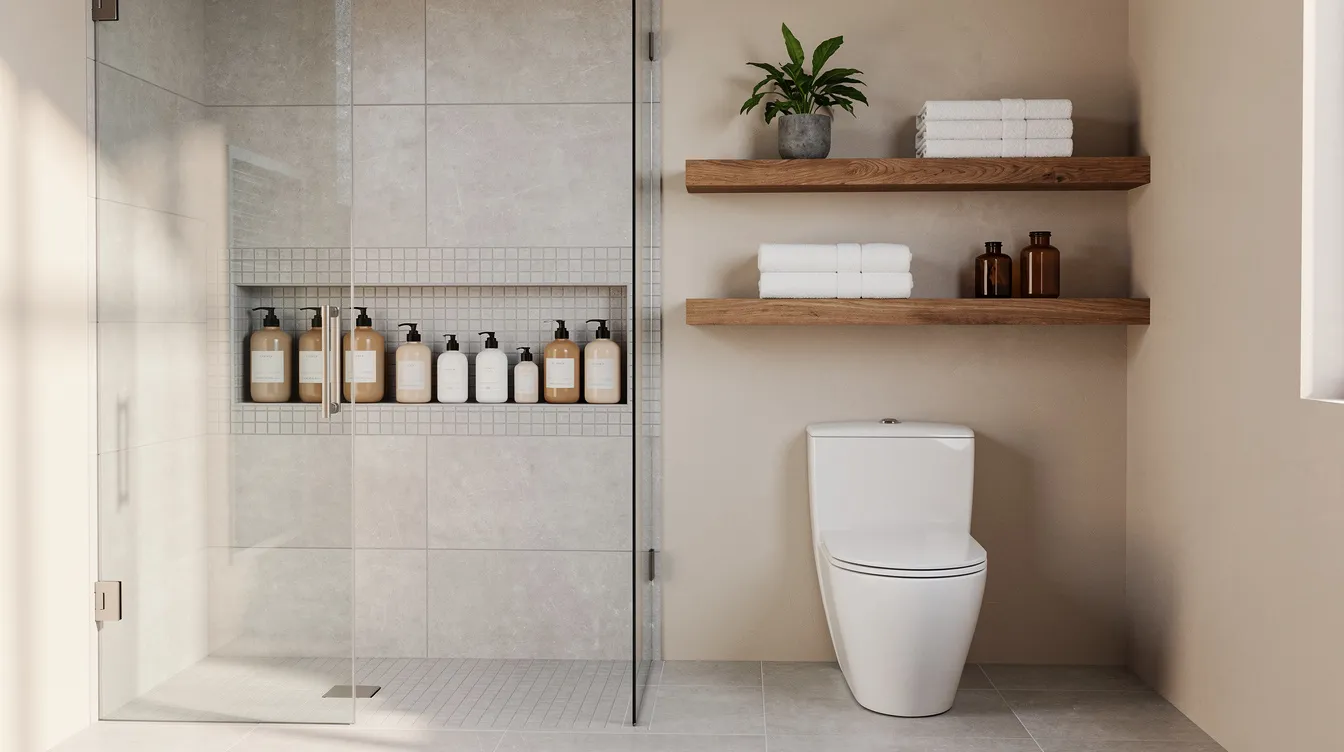
- Bathrooms: Recommend porcelain for shower floors and main bathroom floors due to superior water and slip resistance; ceramic is excellent for shower walls and decorative niches where lighter weight and design flexibility shine
- Kitchens: Porcelain makes sense for busy kitchen floors and high-use island surrounds where stains and traffic are constant; ceramic works well for backsplashes where design variety and budget friendly options matter more than extreme durability
- Entryways and mudrooms: Porcelain is the clear winner for standing up to boots, grit, and melting snow—a daily reality during Colorado Springs winters
- Living rooms and hallways: Porcelain’s long-term durability makes it ideal for open-concept spaces that see continuous foot traffic; ceramic can work in lower-traffic or secondary rooms
- Outdoor spaces: Only properly rated porcelain with frost-resistance (water absorption under 0.3%) should be used on patios, steps, and exterior walkways. Colorado’s climate subjects outdoor areas to hundreds of freeze-thaw cycles annually; ceramic is not suitable for outdoor applications
- Walls and feature areas: Lighter ceramic is often preferred for large wall expanses where weight matters; porcelain slabs or large tiles create seamless, modern accent walls and fireplace surrounds
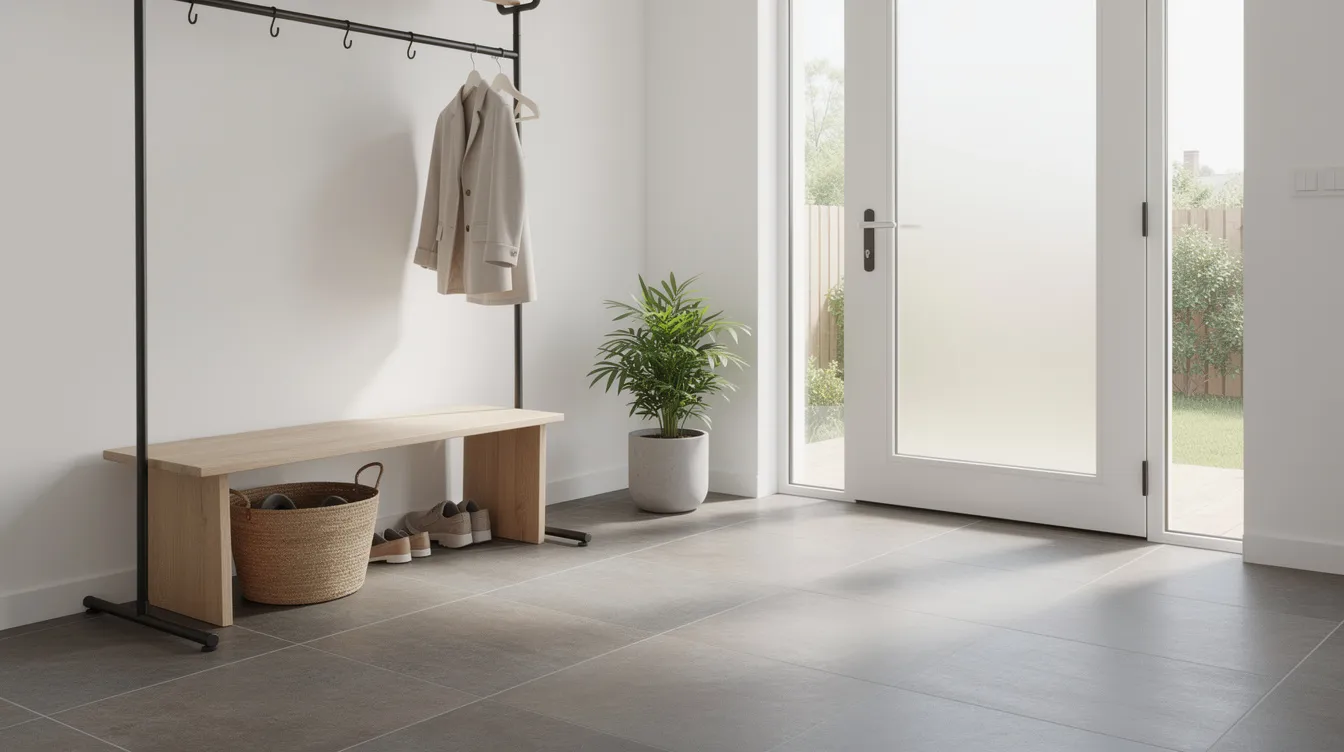
The key is matching material performance to environment—not defaulting to one type everywhere—something expert home renovation services in Colorado Springs can help you evaluate across your whole house.
Cost, Maintenance, and Long-Term Value
Understanding the true cost of ceramic vs porcelain means looking beyond the price tag at the store to consider installation costs, maintenance, and how long each material will last in its intended space.
Here’s how the numbers break down:
- Material costs: Ceramic tile typically ranges from $1–$5 per square foot; porcelain runs $3–$10 per square foot. Prices overlap considerably depending on brand, size, and design—a premium ceramic can cost more than a basic porcelain.
- Installation costs: Ceramic installation typically adds $4–$8 per square foot; porcelain adds $6–$12 per square foot due to the harder material requiring specialized tools and more labor time.
- Long-term value: Porcelain’s higher upfront cost often pays off in longevity—lasting 50+ years in high-use areas versus ceramic’s 20-30 years. That translates to roughly $0.10–$0.20 per square foot per year for porcelain versus $0.15–$0.30 for ceramic when factoring in replacement cycles.
- Maintenance: Both ceramic and porcelain are low maintenance. Regular sweeping or vacuuming, occasional cleaning with a damp mop and pH-neutral cleaner, and periodic grout sealing every 2-3 years keep either material looking fresh.
- Stain resistance: Porcelain’s density makes it 30-50% more stain resistant than ceramic, which matters in kitchens, homes with pets, and commercial spaces.
- Resale considerations: Durable porcelain in kitchens, bathrooms, and entryways can indirectly boost perceived home value by 5-10%, though design cohesion and installation quality matter more than the material label alone.
When weighing long-term replacement risk against initial savings, porcelain often emerges as the smarter investment for high-traffic and wet areas in Colorado Springs homes.
How to Decide: Ceramic vs Porcelain for Your Project
Making the right choice between porcelain or ceramic tile comes down to honestly assessing your space, your budget, and your long-term expectations.
Start with environment. If the area involves constant moisture (showers, bathroom floors, laundry rooms), heavy traffic (entryways, main living areas, kitchens), pets, or exterior use, porcelain is almost always the better investment. Its durability and moisture resistance justify the higher upfront cost in these demanding applications.
For budget-conscious decorative projects—backsplashes, accent walls, powder room walls, and guest bath walls—ceramic delivers beautiful results without sacrificing style. You’ll find more colorful glazes, handmade looks, and pattern options in ceramic, often at significantly lower material and installation costs.
Consider tile size and desired look. Large-format stone-look flooring and realistic wood-look planks are predominantly available in porcelain. If you want seamless, modern floors that mimic marble or hardwood, you’re likely shopping for porcelain. Colorful subway tiles, Moroccan patterns, and handcrafted aesthetics often lean ceramic.
Bring photos, measurements, and inspiration images when consulting with a tile professional. This helps narrow options quickly and ensures recommendations fit your actual spaces—not generic guidelines.
For personalized recommendations on your specific rooms, homeowners in the greater Colorado Springs, CO area can
contact Elevated Tile and Remodeling at
+1 719-283-9569 to discuss which porcelain or ceramic tile is best for your project and space.
Why Work with Elevated Tile and Remodeling in Colorado Springs
Choosing between porcelain and ceramic is only part of a successful tile project. Proper installation makes the difference between tiles that last decades and tiles that crack, loosen, or fail within years.
Here’s what Elevated Tile and Remodeling brings to home remodeling and tile setting projects in Colorado Springs:
- Specialization in bathroom remodels, custom tile installations, and refined interior finishes in high-end and custom homes throughout the greater Colorado Springs area
- Experience with porcelain and ceramic in challenging applications: walk-in showers, steam showers, heated floors, large-format layouts, and outdoor installations
- Attention to substrate preparation, proper waterproofing, and movement control joints—critical in Colorado’s dry climate with wide temperature swings that stress materials
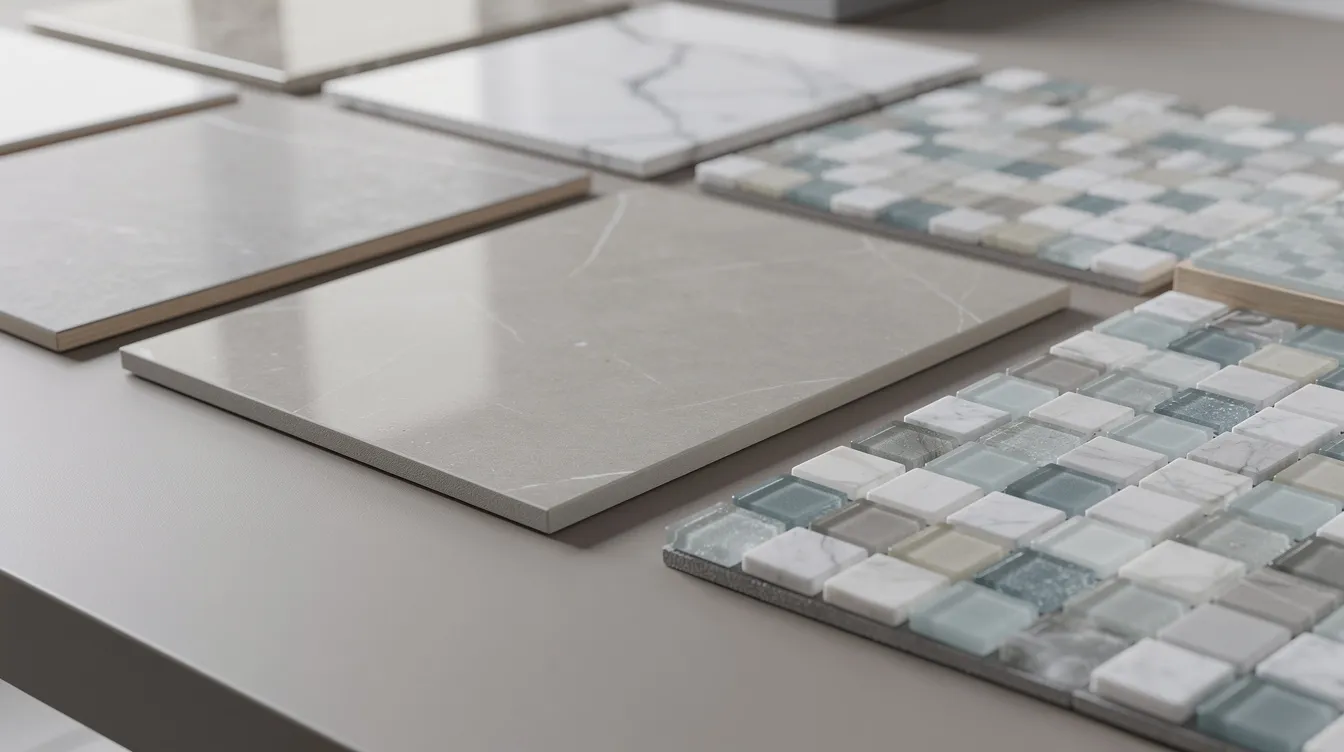
- Guidance on comparing real samples, balancing budget with performance, and choosing grout colors and layouts that enhance your specific design vision
- Understanding of local conditions, from expansive clay soils to freeze-thaw cycles, that affect long-term tile performance
Whether you’re planning a complete bathroom remodeling project in Colorado Springs or updating your entryway to handle Colorado winters, professional expertise ensures your investment performs as expected.
Schedule a consultation or call
+1 719-283-9569 to start planning your tile project with Elevated Tile and Remodeling.
Frequently Asked Questions About Ceramic vs Porcelain Tiles
The following questions address common concerns from Colorado Springs homeowners that weren’t fully covered in the main content above. For project-specific advice, Elevated Tile and Remodeling is available to discuss your unique situation.
Does porcelain tile add more resale value than ceramic?
Buyers rarely distinguish between tile materials by name when evaluating a home. What they notice is quality, condition, and design cohesion. A porcelain floor in poor condition won’t impress buyers any more than a well-maintained ceramic installation.
That said, upgraded, durable porcelain floors in kitchens, main bathrooms, and entryways can indirectly support resale value. These areas see the most wear, and porcelain’s longevity means the tiles are more likely to look great at selling time—potentially supporting a 5-7% perceived value increase in those specific zones.
Well-installed, stylish ceramic backsplashes and bathroom walls also appeal to buyers, especially when the design suits the home’s overall aesthetic. The biggest resale boost comes from professional installation, cohesive design throughout, and choosing the right material for each room—not from the material label alone.
Can I use porcelain tile on walls, or is that only for floors?
Porcelain can absolutely be used on walls and is frequently chosen for shower walls, fireplace surrounds, and feature walls in contemporary Colorado Springs homes. Large-format porcelain slabs create seamless, modern looks that are impossible to achieve with smaller tiles.
The key consideration is weight. Porcelain is heavier than ceramic, so wall substrates and fastening methods must be appropriate for the load. In some cases, especially with older construction or large-format tiles, additional reinforcement is needed behind the wall surface.
Ceramic may still be preferred for very large wall expanses where lighter weight and easier cutting provide practical advantages. Elevated Tile and Remodeling can evaluate each wall’s structure to determine the best material and installation approach for your specific project.
Which tile is better with radiant floor heating?
Both porcelain and ceramic work very well with in-floor heating systems, making either an excellent choice for Colorado homes where warm floors combat cold winters.
Porcelain’s density helps it hold warmth slightly longer—some manufacturers report 15-25% better heat retention—which some homeowners appreciate during extended cold periods. However, the practical difference is modest for most residential applications.
Correct installation over the heating system matters more than material selection. Proper movement joints accommodate expansion and contraction, preventing cracks as temperatures fluctuate. Working with an installer familiar with radiant systems ensures even heat distribution and long-term performance regardless of whether you choose ceramic or porcelain.
Is ceramic tile too weak for bathroom floors?
Many ceramic tiles are perfectly suitable for low- to moderate-traffic bathroom floors when properly selected and installed. The key is checking manufacturer specifications: look for floor-rated tiles (not wall-only products) with appropriate PEI ratings (PEI 2 or higher for residential bathrooms) and adequate slip resistance.
Standard ceramic works well for powder rooms, guest bathrooms, and primary bathrooms that don’t see extremely heavy use. Proper installation with correct thinset, flat substrates, and appropriate grout protects against the cracking or loosening that gives ceramic a bad reputation in some applications.
In very busy family bathrooms, homes with multiple children, or spaces where water regularly pools on floors, porcelain is often the safer long-term bet. Elevated Tile and Remodeling can help match the right ceramic or porcelain to each bathroom’s specific use pattern in your Colorado Springs home.
How do I choose grout color for ceramic vs porcelain tile?
Grout color selection is more about look and maintenance than about whether your tile is ceramic or porcelain. The same principles apply to both materials.
Lighter grout (whites, creams, light grays) shows dirt and staining more readily but can make spaces feel larger and more open. Darker grout (charcoals, browns, blacks) hides stains and wear while emphasizing each tile’s outline for a more geometric or patterned effect.
For a seamless, expansive look—popular with large-format porcelain—match grout closely to the tile body color. For more definition and visual interest, especially with subway ceramics or patterned porcelain, choose a contrasting grout that outlines each tile.
Always view grout samples next to your actual tiles under your home’s lighting conditions before committing. Consider stain-resistant epoxy grouts for busy households, kitchens, and bathrooms where spills and moisture are constant. Elevated Tile and Remodeling can help you test combinations and select grout that enhances your Colorado Springs project.

At Elevated Tile and Remodeling, we specialize in transforming high-end custom homes through exquisite bathroom remodels, expert tile installation, and meticulous interior finishes. Our dedication to craftsmanship and detail ensures that every project reflects our clients' unique visions, enhancing both beauty and functionality in the Colorado Springs area.