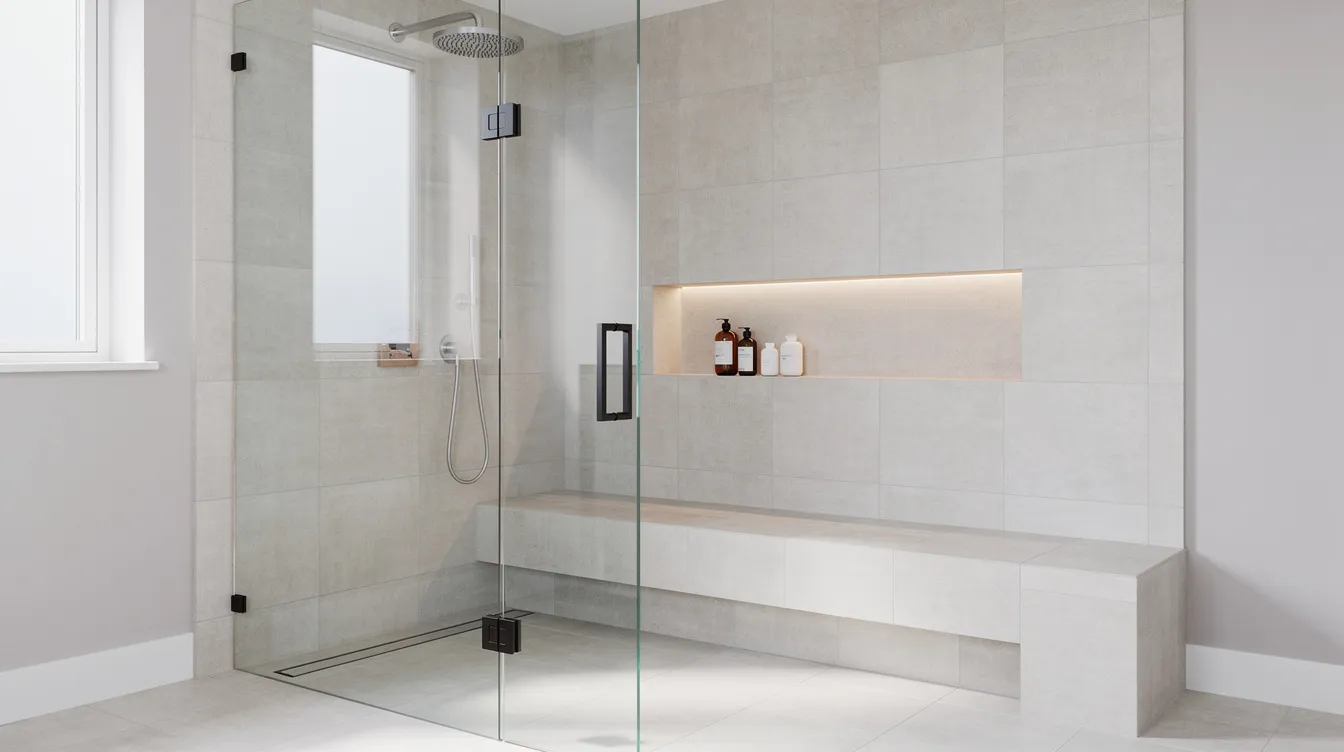
Porcelain Versus Ceramic Floor Tile: How to Choose for Your Colorado Springs Home
Choosing between porcelain and ceramic floor tile comes down to understanding how each performs where it matters—under your feet, in your showers, and on your Colorado Springs patio where winter does its worst. This guide is for Colorado Springs homeowners deciding between porcelain and ceramic floor tile for their home renovation projects. Choosing the right tile impacts durability, maintenance, and long-term value in Colorado’s unique climate. Both porcelain and ceramic tiles are made from natural earthen clays and hardened by heat. Both originate from clay-based materials fired in kilns, but the key differences in density, water resistance, and durability determine which works best for specific rooms and conditions in your home.
Key Takeaways
Porcelain is denser and more water-resistant due to finer clays fired at higher temperatures, while ceramic is more budget-friendly and easier to cut. Here’s what Colorado Springs homeowners need to know:
- Porcelain tile with water absorption under 0.5% is typically the better choice for high traffic areas, wet areas, and freeze-thaw zones common around Colorado Springs, Monument, and Falcon
- Ceramic tiles work well for lower-traffic indoor floors and walls where budgets are tighter, such as guest baths or basement rec rooms
- Both options can look nearly identical on the surface, so base your decision on performance requirements rather than appearance alone
- Modern manufacturing allows both tile types to mimic natural stone, hardwood, and concrete convincingly
- Elevated Tile and Remodeling helps homeowners throughout Colorado Springs compare, select, and professionally install either material based on each room’s specific needs as part of their broader home renovations and custom tile installation services
Porcelain vs Ceramic Floor Tile: Quick Comparison
Homeowners typically want a fast, side-by-side answer before exploring the details. This comparison table breaks down the main difference between these two flooring options.
| Feature | Porcelain | Ceramic |
|---|---|---|
| Composition | Finer, denser clay with kaolin, feldspar, quartz | Coarser natural clay, sand, water |
| Firing Temperature | 2,200–2,500°F | 1,800–2,000°F |
| Water Absorption | Under 0.5% (impervious) | 3–7% (more porous) |
| Durability | Superior durability, higher breaking strength | Good for moderate traffic |
| Ease of Cutting | Requires specialized tools (wet saw with diamond blade) | Easier to score and snap |
| Best Uses | High-traffic floors, showers, outdoor patios | Guest baths, backsplashes, laundry rooms |
| Installed Cost (Colorado Springs 2026) | $11–$25 per square foot | $7–$17 per square foot |
| Either porcelain tile flooring or ceramic flooring can last 20+ years when properly installed and maintained over a flat, well-prepared substrate. |
What Is Ceramic Floor Tile?
Ceramic floor tile consists of a clay mixture combined with sand and water, pressed into shape, and fired at lower temperatures around 1,800–2,000°F. This firing process produces a more porous body compared to porcelain. Porcelain and ceramic tiles are both made from natural earthen clays and hardened by heat.
Key characteristics of ceramic tiles include:
- Water absorption typically ranging from 3–7%
- A colored glaze applied over a contrasting body color (often tan, red, or white)
- Easier cutting with basic tools, reducing labor time
- Lower material and installation costs
Ceramic tiles offer an excellent choice for interior applications like guest bathroom flooring, kitchen backsplash areas, laundry rooms, and lower-traffic living spaces. However, standard ceramic isn’t suited for freeze-thaw exposure on exterior entries or outdoor areas in Front Range communities like Fountain and Security-Widefield.
What Is Porcelain Floor Tile?
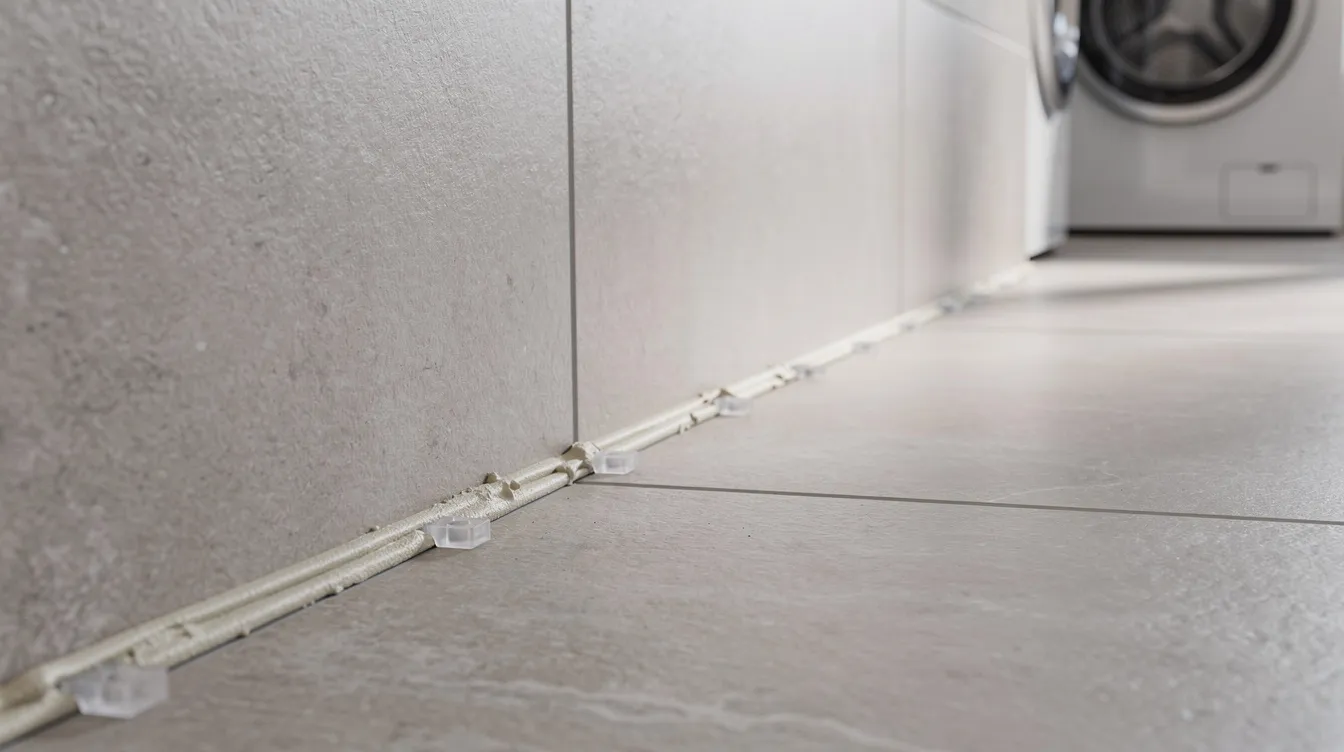
Porcelain is a subtype of ceramic made from finer, more refined natural materials including kaolin clay, feldspar, and quartz. Fired at higher temperatures of 2,200–2,500°F, the manufacturing process creates a denser, harder tile with superior water resistance.
Porcelain characteristics that matter for Colorado Springs homes:
- Water absorption below 0.5%, meeting ANSI standards for “impervious” tile
- Through-body or color-body designs where the tile’s color extends throughout, making chips less visible
- Higher breaking strength and scratch resistance
- Heavier weight requiring experienced installers
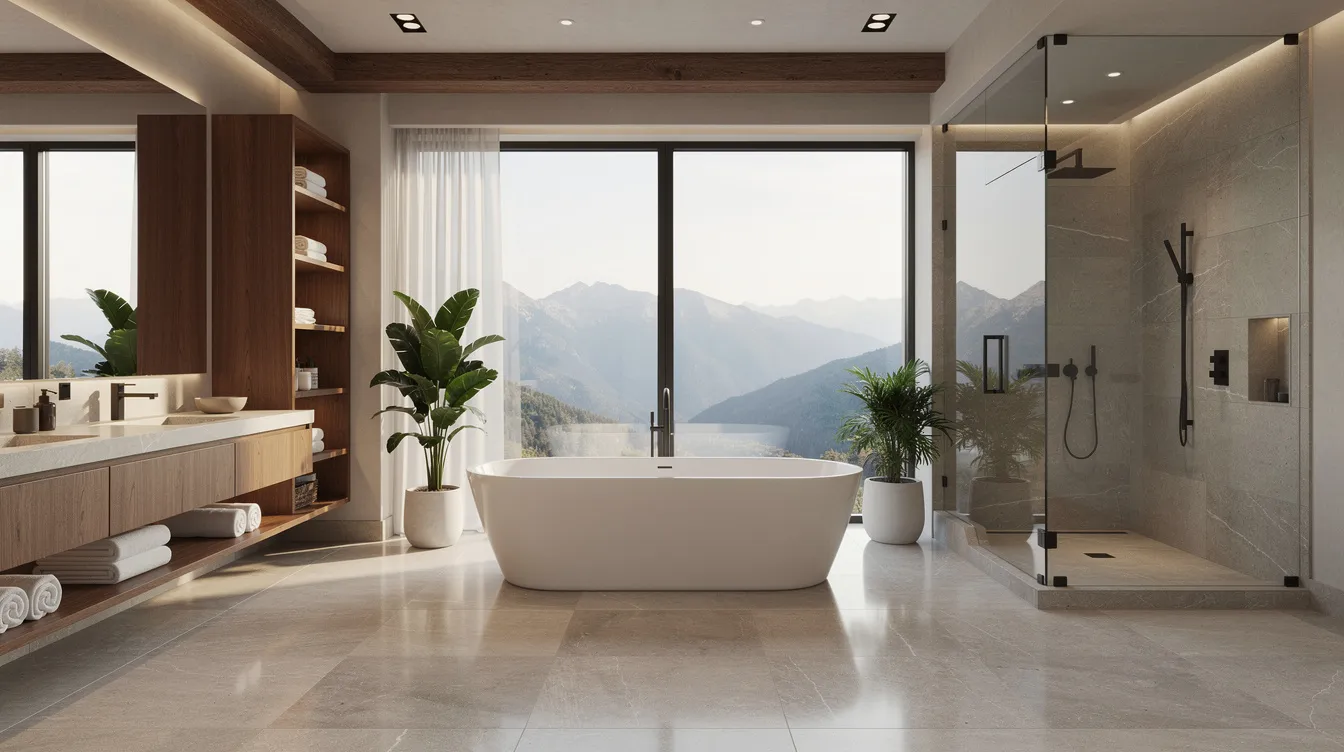
Porcelain is the right tile for main-level floors, mudrooms, walk-in showers, covered outdoor patios, and entryways subject to snow, de-icer, and heavy boots—conditions common throughout the Pikes Peak region, especially when you’re choosing bathroom tile materials and layouts that balance durability with design.
Appearance: Can You Tell Porcelain From Ceramic?
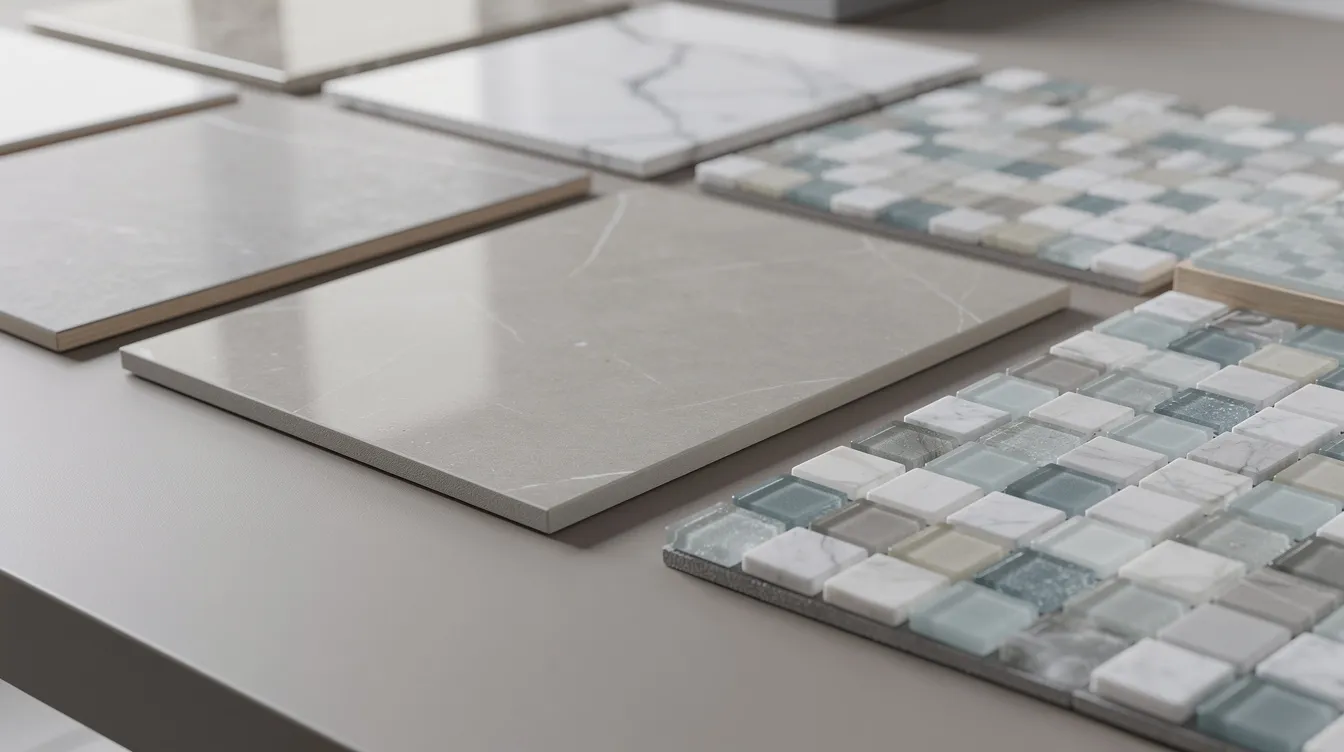
Modern inkjet printing and textured finishes allow both porcelain and ceramic tile to convincingly mimic natural stone, wood grain, and concrete surfaces. On a showroom floor, most homeowners cannot distinguish between them visually.
The subtle differences appear at cut edges or when viewing the tile from the side:
- Porcelain typically shows a uniform body color throughout
- Ceramic often reveals a distinct base color beneath the glazed surface
When shopping in Colorado Springs tile showrooms, rely on packaging labels, PTCA certification, and ANSI specifications rather than looks alone, and consider broader guidance on choosing tile styles and materials that are appropriate for Colorado’s climate. Elevated Tile and Remodeling routinely brings samples to clients’ homes so they can evaluate color, sheen, and texture under their actual lighting conditions.
Durability and Wear in Real Homes
Durability depends on tile type, thickness, PEI abrasion rating, and installation quality—not just the material name on the box.
Porcelain floor tile generally delivers:
- Higher breaking strength
- Better resistance to chipping, scratching, and deep wear
- Durable performance under heavy foot traffic
For Colorado Springs families, this translates to floors that handle pets with claws, snow and grit tracked from driveways, and heavy furniture moved during seasonal rearranging. Ceramic floor tile performs well in moderate-traffic spaces when you select products with appropriate floor ratings.
Both tile types still depend on quality grout and proper layout. Elevated Tile and Remodeling focuses on preventing lippage, cracking, and hollow-sounding tiles through correct substrate preparation and installation technique, which is especially critical for large format tile installation projects that demand tighter tolerances.
Water Resistance and Freeze–Thaw Performance
Water absorption rates matter both for bathroom walls and showers and for exterior or unheated spaces experiencing Colorado’s 250+ annual freeze-thaw cycles.
Porcelain’s low porosity (sub-0.5% absorption) makes it highly resistant to:
- Swelling and cracking from moisture exposure
- Freeze-thaw damage on patios and entries
- Long-term deterioration in wet area applications
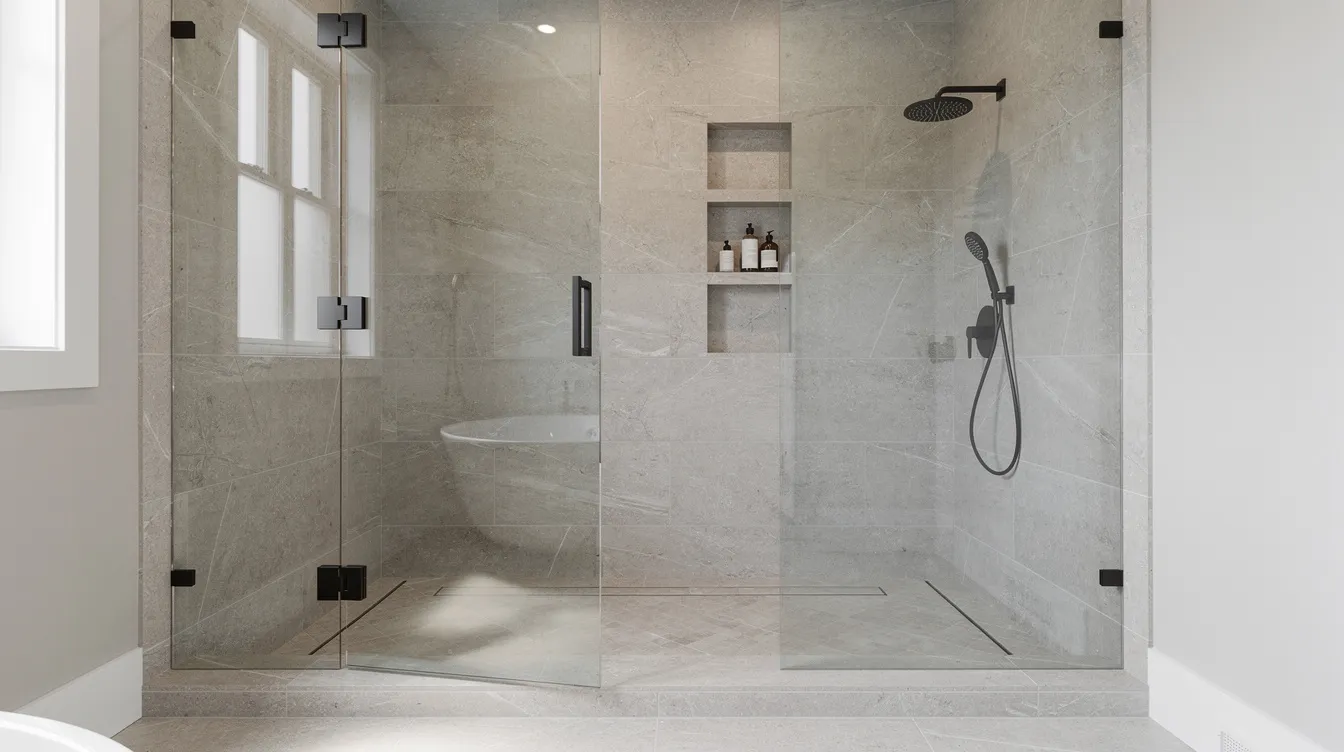
Standard ceramic, being more porous, performs best in interior, climate-controlled spaces. For a walk-in shower floor, curbless bathroom entry, or covered front porch where snow and meltwater accumulate, choosing porcelain provides critical protection in communities like Woodland Park, Peyton, and Black Forest, particularly when paired with professional tile installers who understand Colorado’s freeze–thaw conditions.
Cost: Material and Installation in Colorado Springs
Pricing varies by brand, size, and design options, but certain patterns hold in the Colorado Springs market for 2026:
Material costs per square foot:
- Porcelain: $3–$10 (designer lines can exceed this)
- Ceramic: $1–$5
Installation costs per square foot:
- Porcelain: $8–$15 (requires wet saws, diamond blades, experienced labor)
- Ceramic: $6–$12
Project factors often affect total cost more than tile type alone:
- Pattern complexity (herringbone, large-format planks)
- Subfloor preparation requirements
- Demolition of existing flooring
- Cement board or waterproof membrane installation
Elevated Tile and Remodeling provides detailed written estimates for Colorado Springs homeowners, allowing direct comparison between ceramic and porcelain options on the same project and making it easy to request a free estimate for bathroom remodel and tiling when you’re ready to plan your renovation.
Installation: DIY vs Hiring a Pro
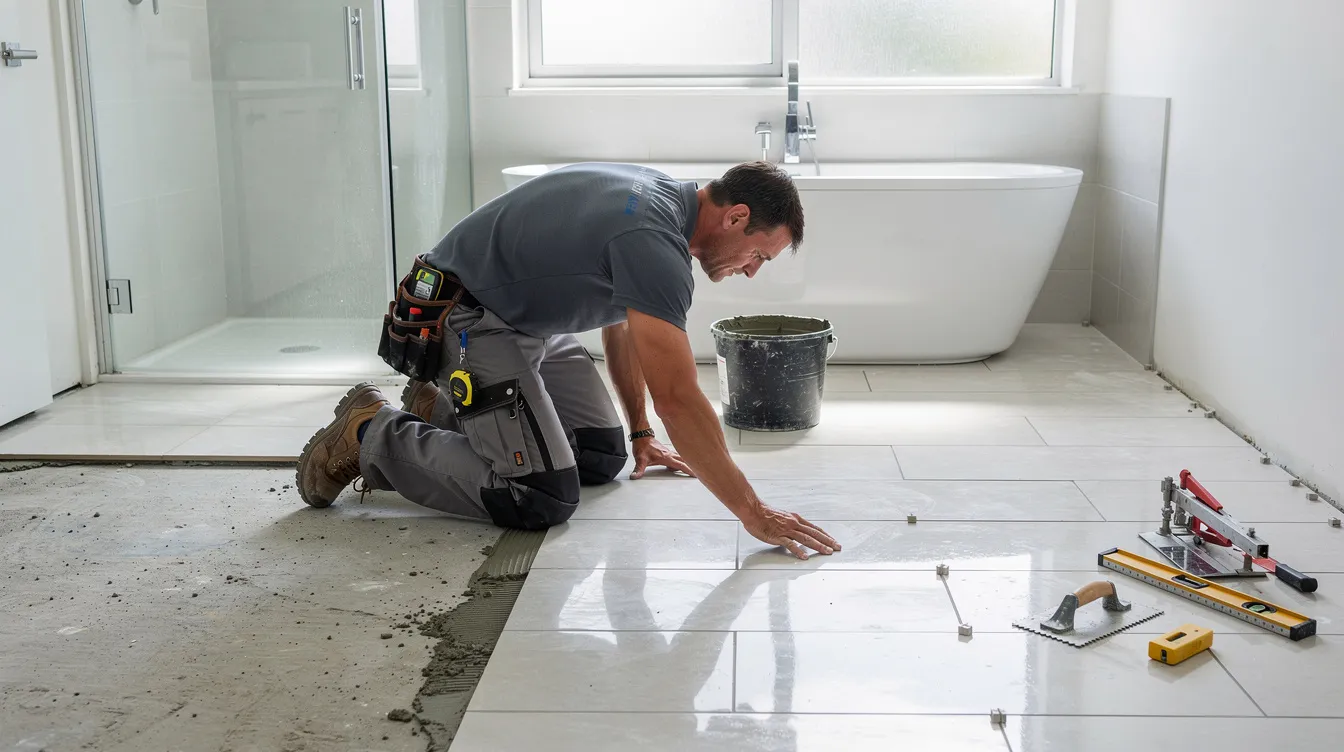
Ceramic tile can be more forgiving for experienced DIYers on simple layouts. Porcelain floors and complex patterns typically benefit from professional installation, and many homeowners ultimately choose to work with professional tile installers in Colorado Springs to avoid costly mistakes.
Both tile types require similar preparation:
- Subfloor flatness within 1/8-inch over 10 feet
- Appropriate underlayment (cement board or membranes)
- Correct thinset mortar for tile size
Porcelain’s hardness makes clean cuts around vents, door jambs, and plumbing penetrations significantly more challenging. Movement joints, layout planning, and correct trowel sizing prevent hollow spots and cracked tiles—elements Elevated Tile and Remodeling prioritizes on every floor installation.
Older Colorado Springs homes may have uneven subfloors or prior DIY issues, making professional assessment especially valuable before committing to large-format porcelain, which is where expert tile installation and remodeling services help ensure a flat, long-lasting floor.
Best Uses Around the Home (Room-by-Room Guide)
The best material depends on where it will be installed and the conditions it will face.
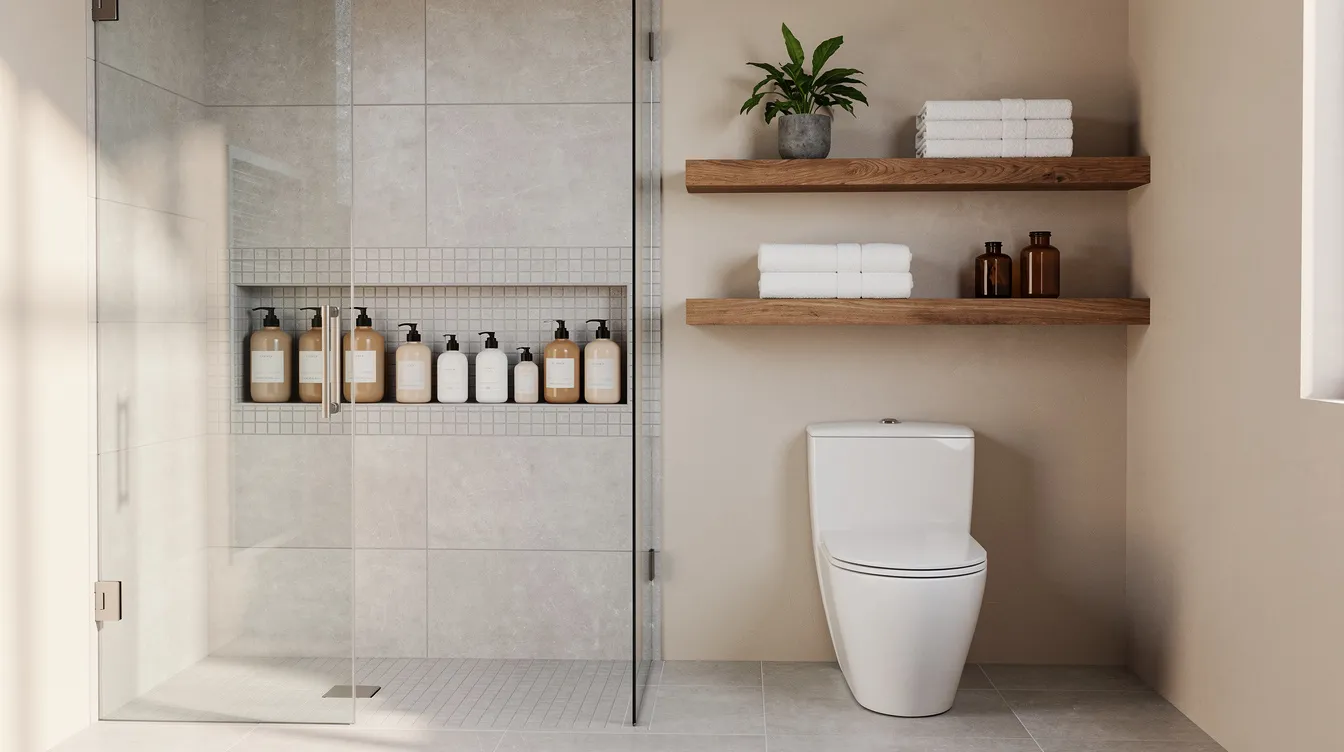
Entryways and mudrooms: Porcelain handles snow, grit, and heavy boots tracked in daily. Primary bathrooms and curbless showers: Porcelain’s water resistant properties protect against moisture damage. Kitchens: Either porcelain or quality ceramic works for moderate traffic and occasional spills. Guest baths and finished basements: Ceramic offers a budget friendly option for these lower-traffic spaces. Accent walls and countertops: Ceramic provides various styles at lower cost.
For outdoor applications in the Pikes Peak region—covered patios, steps, and walkways—freeze-thaw-rated porcelain is strongly preferred. Both materials perform well over radiant heated floors, though porcelain’s density provides slightly better thermal mass for retaining warmth.
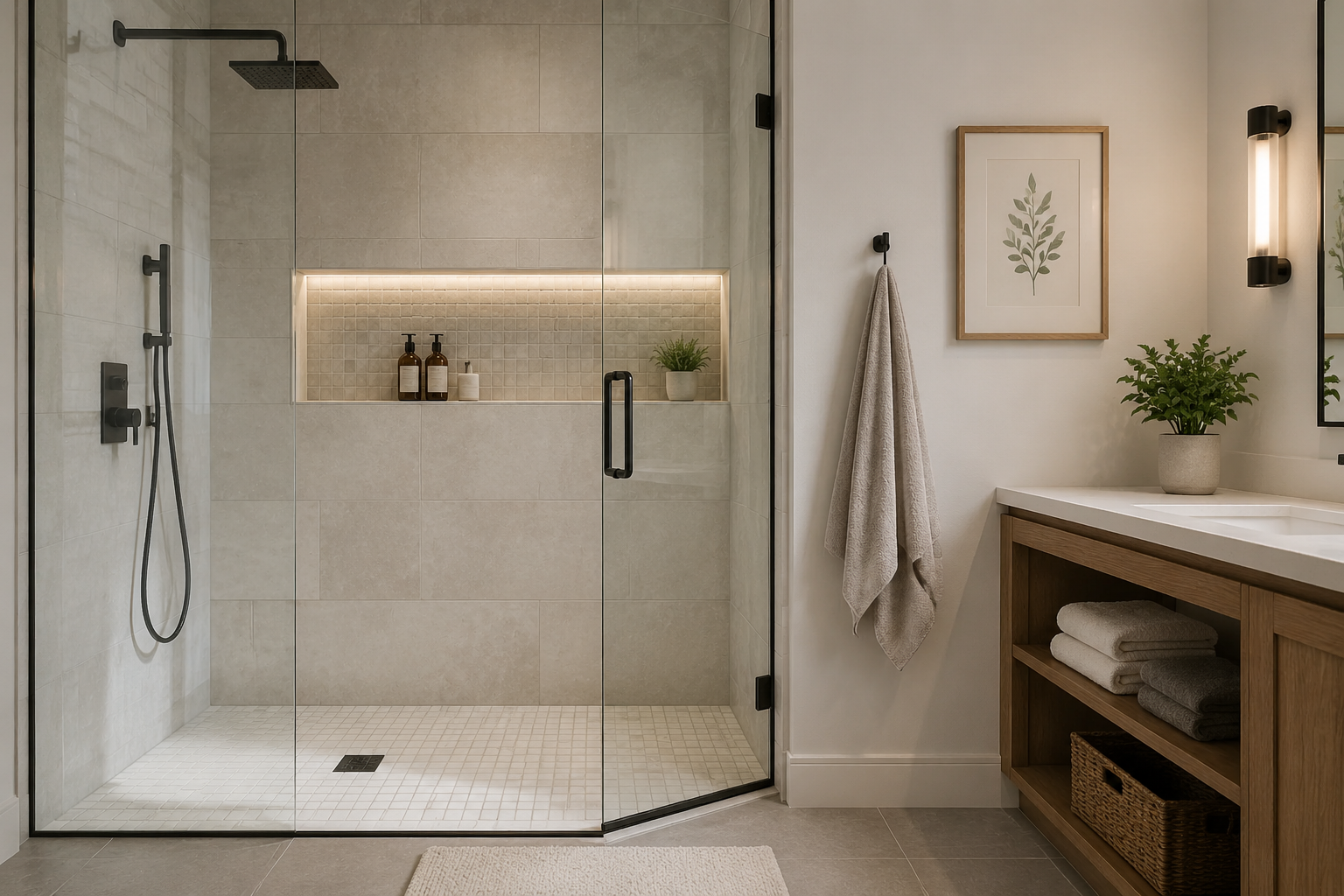
Elevated Tile and Remodeling helps homeowners in Manitou Springs, Black Forest, and Falcon match tile type to each room’s specific traffic and moisture requirements while also suggesting stunning tile ideas for interior finishes that elevate backsplashes, accent walls, and spa-like bathrooms.
Cleaning and Maintenance
Both porcelain and ceramic floors require less long term maintenance than other natural materials like natural stone or hardwood.
Basic maintenance routine:
- Regular sweeping or vacuuming several times weekly to remove grit
- Damp mopping with pH-neutral cleaners as needed
- Prompt cleanup of spills to prevent staining
Porcelain’s low porosity provides slight stain resistance advantages since liquids don’t penetrate the surface. However, most real-world maintenance focuses on grout lines rather than the tile itself, making professional grout repair and cleaning services an important part of keeping tile floors and showers looking fresh.
In Colorado’s dry climate, seal grout every 1–2 years, especially in showers and kitchens. Good ventilation in bathrooms limits mildew growth. Elevated Tile and Remodeling recommends specific maintenance products suited to the tiles and grout they install and can also provide tile repair and regrouting services when surfaces begin to show wear.
How to Decide: Porcelain vs Ceramic for Your Project
There’s no single “right” answer. Walk through this decision framework:
- Moisture level: Will the floor stay wet regularly? Choose porcelain for showers and other wet areas.
- Expected wear: Heavy foot traffic from kids, pets, or daily use? Porcelain offers superior durability.
- Freeze exposure: Outdoor or unheated space? Porcelain handles Colorado’s temperature swings.
- Timeline: Planning to stay long-term? Porcelain’s durability pays off over years.
- Budget: Cost-sensitive project in a low-traffic room? Ceramic delivers solid performance.
Comparing porcelain and ceramic comes down to matching performance characteristics to your specific rooms and lifestyle, ideally as part of a broader plan for expert home renovation services that align materials, layout, and budget.
Why Work With Elevated Tile and Remodeling in Colorado Springs
Elevated Tile and Remodeling serves Colorado Springs and surrounding communities including Monument, Fountain, Woodland Park, Falcon, Black Forest, Manitou Springs, and Peyton, drawing on their role as Colorado Springs tile and remodeling experts for these Front Range neighborhoods.
Core services include: offering expert tile installation and remodeling alongside broader home renovation support.
- Design assistance and in-home sample comparisons
- Demolition of existing flooring
- Subfloor preparation and leveling
- Waterproofing for showers and wet areas
- Heated floor installation and expert bathroom remodeling services
- Expert setting of large-format porcelain and classic ceramic tiles
The company evaluates lifestyle factors—kids, pets, home age, and local climate considerations like snow, ice, and intense sun—when recommending tile types for each project, folding this into a broader process for home remodeling and tile setting that’s tailored to each property.
Contact Elevated Tile and Remodeling for an estimate or design consultation to determine the right flooring option for your Colorado Springs home, or reach out directly through their home renovation contact page to start planning your project.
Frequently Asked Questions About Porcelain vs Ceramic Floor Tile
These questions come up frequently when Elevated Tile and Remodeling meets with homeowners to plan new tile floors throughout Colorado Springs.
Does porcelain or ceramic tile add more resale value?
Buyers typically care more about how the floor looks and installation quality than the exact tile type. However, porcelain is often perceived as a premium upgrade in listing descriptions. In mid-to-higher-end Colorado Springs neighborhoods, durable porcelain in kitchens, bathrooms, and entries appeals to families concerned about wear from kids and pets. Poor installation of either material hurts value—qualified installers matter more than material choice alone, as reflected in client testimonials about Elevated Tile and Remodeling that emphasize craftsmanship and long-term satisfaction.
Can I use both porcelain and ceramic tile in the same room?
Mixing is possible and sometimes smart. Using porcelain on the floor and ceramic on bathroom walls manages cost while maintaining performance where it matters most. Matching color, sheen, and grout lines ensures the combination looks intentional. Elevated Tile and Remodeling designs cohesive blended layouts for spaces throughout Colorado Springs, applying the same principles they share in their expert tips for choosing bathroom tile to ensure mixed materials still feel unified.
Are porcelain and ceramic tiles okay over radiant heated floors?
Both porcelain and ceramic excel over hydronic or electric radiant heat and are commonly installed this way during Colorado’s colder months. Porcelain’s density helps retain warmth well. Proper thinset, membranes, and installation technique matter more than tile type. Work with installers familiar with radiant systems to protect heating cables during installation and to integrate these choices into an overall successful bathroom remodeling plan that considers comfort, safety, and long-term performance.
Which tile is less slippery for bathroom floors?
Slip resistance depends on surface texture and finish—matte, structured, or grip finishes—rather than whether the tile is porcelain or ceramic. Look for tiles with DCOF ratings over 0.42 wet for bathroom applications. Elevated Tile and Remodeling recommends specific slip-resistant options that balance safety with easy cleaning for families with children or older adults.
How does Colorado’s climate affect porcelain vs ceramic tile choice?
Indoor climate-controlled spaces can use either material successfully. Exterior or unheated areas perform better with freeze-thaw-rated porcelain. Large day-night temperature swings and winter freezes increase stress on tiles and grout outdoors, making porcelain the safer choice for patios, porches, and garage entries throughout the Pikes Peak region.

At Elevated Tile and Remodeling, we specialize in transforming high-end custom homes through exquisite bathroom remodels, expert tile installation, and meticulous interior finishes. Our dedication to craftsmanship and detail ensures that every project reflects our clients' unique visions, enhancing both beauty and functionality in the Colorado Springs area.